
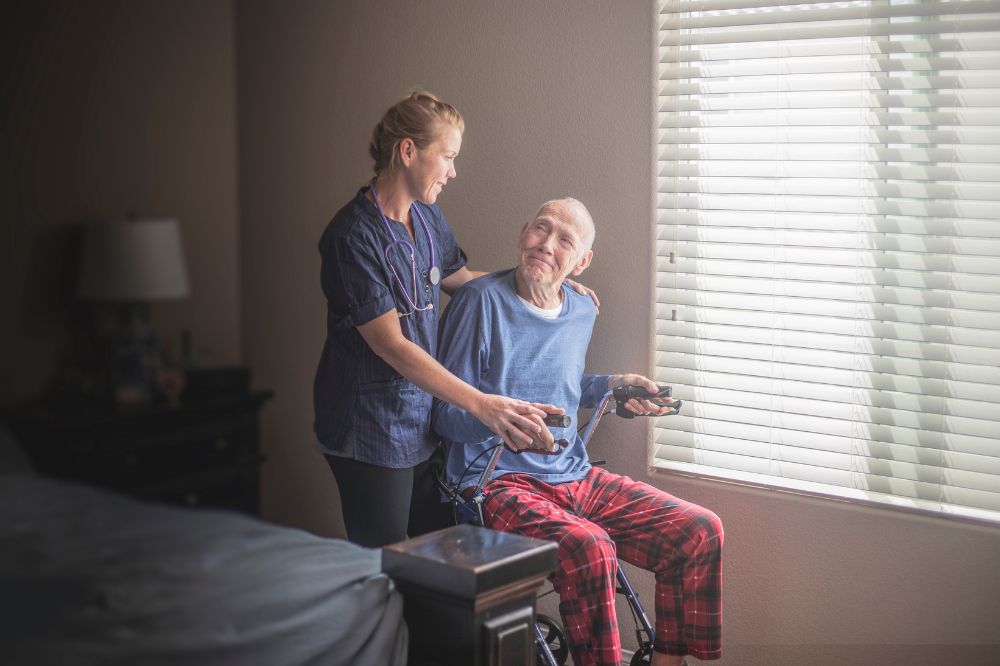
Living with medical needs changes the rhythm of daily life. There are medication schedules to follow, symptoms to monitor, and appointments to remember. Some days feel smooth. Other days feel like everything requires extra effort. For many individuals and families, the real question becomes this: how do you provide meaningful support without taking away independence?
Individualized Home Supports with Training, often called IHS with Training, was designed with that balance in mind.
What IHS with Training Really Means
Individualized Home Supports, formerly known as Independent Living Skills, is not simply about supervision. It is direct, skill-based training provided by staff to help individuals develop, maintain, and strengthen community living skills.
Services can take place in the home or out in the community. The focus may include communication, self-care, interpersonal skills, or daily living tasks. The central idea is growth. Not just keeping someone stable, but helping them move forward. Families exploring IHS services often want clarity on what training is included and how it differs from traditional in-home assistance.
When medical conditions are involved, that growth often includes learning how to manage health safely and confidently.
When Medical Needs Require Structured Support
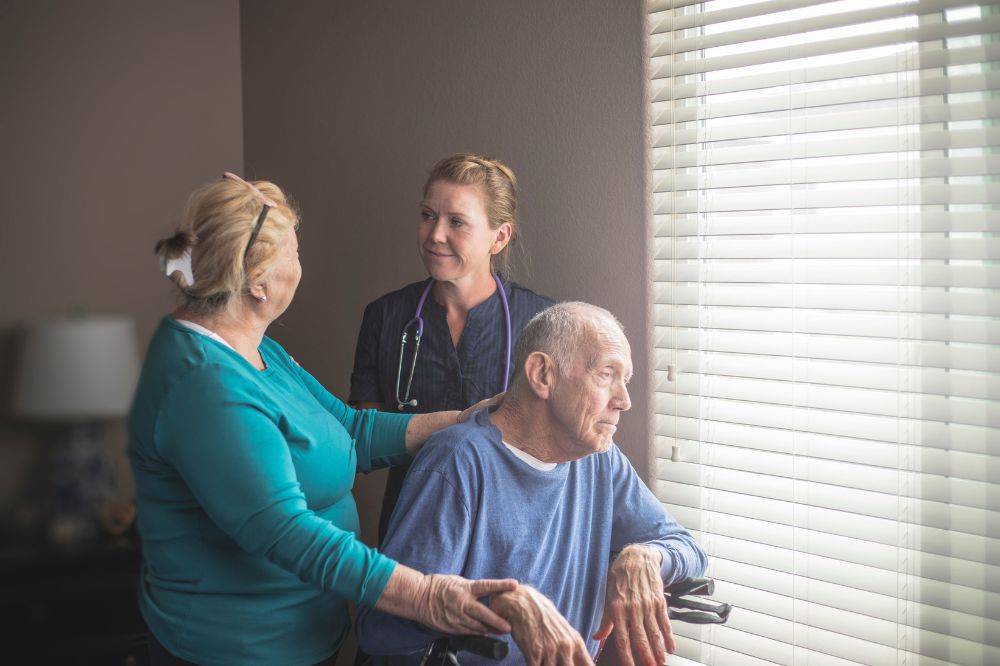
Some individuals need staff intervention because of medical conditions, behavioral concerns, physical limitations, or gaps in survival skills. In these cases, IHS with Training may also include supported living services. This is considered a residential rehabilitation service aimed at skill development rather than long-term dependency.
Think about someone learning to manage a chronic condition while also building basic life skills. They may need coaching on medication routines, reminders tied to time management strategies, or guidance on recognizing symptoms that require medical attention.
The goal is not to take over. It is to teach.
Staff provide hands-on instruction. They demonstrate. They observe. They reinforce. Over time, what once required assistance becomes more natural and independent.
That shift, small as it may seem at first, is significant.
Training Versus Supervision
Many services assist or monitor individuals to ensure safety. IHS with Training has a different primary objective. It emphasizes guidance and education.
Training plans are customized. Each individual’s strengths, needs, and personal goals shape the approach. Someone with mobility challenges may focus on safe movement within the home and community. A person managing a complex medical diagnosis may work on understanding treatment instructions and communicating effectively with healthcare providers.
It is practical learning. Skills are practiced repeatedly in real-life settings until confidence grows.
This approach recognizes something important. Independence does not appear overnight. It develops gradually through structured support.
Community Living Skills That Support Health
Health and daily living are closely connected. Medical stability depends on routine, organization, and decision-making.
Through IHS with Training, individuals often build skills such as:
- Decision making
- Communication
- Health management
- Problem solving
- Time management
- Safety awareness
- Cooking and meal planning
- Shopping and errands
Cooking is not only about preparing food. It connects directly to nutrition and dietary restrictions. Time management supports medication adherence. Communication skills make medical appointments more productive. Even running errands can reinforce budgeting and planning skills that contribute to overall stability.
Case managers sometimes use IHS to encourage social interaction as well. Isolation can impact both physical and mental health. Structured support helps individuals re-engage with their communities at a pace that feels manageable.
Real World Learning in Real Settings
One of the strengths of IHS with Training is where it happens. Instruction takes place in the home or community rather than in a classroom.
Practicing meal preparation in your own kitchen builds familiarity. Navigating a local grocery store reinforces confidence. Learning how to schedule and attend appointments within your usual routine creates consistency.
For individuals with medical needs, the environment matters. Familiar spaces reduce stress and make it easier to apply new skills in daily life.
Building Independence While Protecting Safety
There is a natural tension between keeping someone safe and encouraging independence. Families often worry that too much freedom could create risk. At the same time, too much control can limit growth.
IHS with Training is designed to balance those concerns. Staff remains available to intervene when necessary, especially when medical or behavioral challenges arise. At the same time, the emphasis stays on teaching skills that reduce long-term reliance on support.
Progress may be gradual. Some days will feel steady. Others may require extra reinforcement. That is part of the process.
A Long-Term Investment in Well-Being
Supporting individuals with medical needs is not a short-term project. Conditions evolve. Abilities change. New goals emerge.
IHS with Training adapts alongside those changes. By focusing on skill development rather than simple assistance, the service helps individuals remain healthier, safer, and more engaged in their communities.
Independence, in this context, does not mean doing everything alone. It means having the knowledge and confidence to participate fully in daily life, even with medical challenges present.
And for many individuals, that combination of support and skill-building makes all the difference.
