
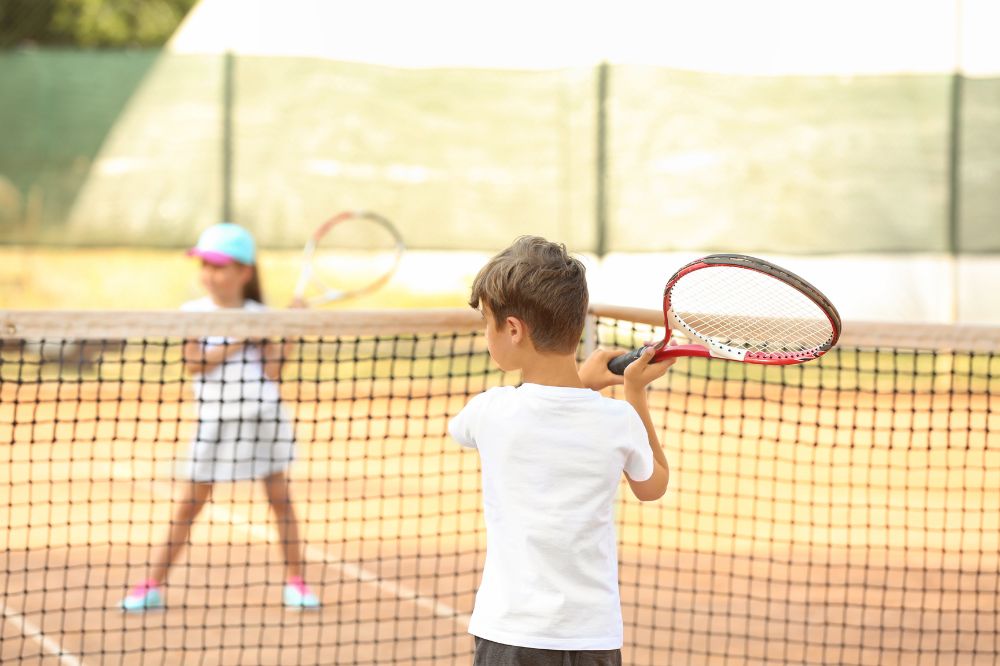
As parents, you want the best for your children. You want them to be smart and confident and grow into good human beings who can face any challenge head-on. But what factors contribute to a child’s development? While parental guidance and quality education are crucial, hobbies play an equally critical role in building a child’s cognitive abilities and social skills.
With digitalisation, most hobbies have moved beyond books and crafts to online games and virtual platforms like Roblox. Roblox is a platform where you can create and play user-generated games of different genres, engage in social interactions, and be anything you want. Considering its widespread popularity, parents must understand how the game works and its risks and benefits. A helpful parents’ guide to Roblox can offer insights into the game, how it fosters creativity, and key safety steps.
And it’s not just Roblox. Sports, art, coding, and music also help build resilience and social skills, shape creativity, and set the path for future careers—and it’s about time parents and caregivers realised that. By understanding and engaging in your child’s interests, you can develop a deeper connection with them and nurture growth beyond traditional classroom learning. Let’s delve deeper into what a hobby is, why it matters, and how parents can help.
What Is a Hobby?
A hobby is any extracurricular activity that allows a child to explore their interests for joy and pleasure in their free time. Hobbies can be anything: singing, dancing, art and craft, solving puzzles, reading, cooking, outdoor activities, etc.
Every child’s interests are different. What your child enjoys may not be liked by others. Therefore, you should encourage your child to explore various activities and choose something that truly interests them. With proper support and encouragement, hobbies can be a powerful way to promote learning and development.
Why Hobbies Are Necessary for Children
Researchers at Stanford University conducted a study and found a strong connection between hobbies and child development. The study, which consisted of 5,000 children, found that children who engage in hobbies are happier and perform better at school. Research also suggests that children who regularly engage in hobbies exhibit lower stress and anxiety levels and enjoy overall well-being. Thus, cultivating hobbies helps in:
Improving Concentration
When children engage in activities they genuinely enjoy, they invest more time and effort in enhancing their skills, which, in turn, helps improve concentration. Increased concentration helps them perform better not only in academics but in all aspects of life.
Developing Social Skills
Hobbies allow children to participate in group activities and interact with their peers, which helps them improve their communication skills and develop empathy. Whether playing a board game or engaging in a team event, children learn to share ideas and work together towards a common goal.
Building Self-Esteem and Emotional Intelligence
When children begin to progress in their chosen hobby, it gives them a sense of achievement, boosts their confidence, and motivates them to explore their risk-taking abilities. Most importantly, hobbies like painting or writing create room for creative expression. Using these hobbies to communicate their feelings equips them with the skills to manage their emotions effectively.
Teaching Time Management
Striking a balance between schoolwork and hobbies requires proper time management. Children engaging in hobbies learn the importance of creating and following schedules, the skills to balance responsibilities and manage distractions, and the art of planning from an early age.
Parents’ Role in Helping Children Develop Hobbies
One way to help your child find interest in hobbies is to analyse their potential. Give them the time and space to explore different activities. Praise and encourage them so they don’t feel dejected if they fail at something. Look for creative ways to link school lessons with hobbies and hear them out on their choices, because being an active companion, you can show them support and convey that they can lean on you during difficult stages of their learning journey.
Conclusion
Hobbies have multiple benefits, both long-term and short-term. Whether painting or engaging in imaginative play, hobbies push children to explore their artistic interests and freely express themselves. Parents should help and encourage their children to find and develop their interests. Remember, with your constant support and encouragement, children can develop optimally, gain confidence, and overcome difficulties.