
Let me be honest with you: there have been plenty of mornings in my house when handing over the tablet felt like the only option left. Toddlers are relentless bundles of energy and curiosity, and some days keeping up with them feels like a full-time job with no breaks. But over time, I noticed something. The days we relied most on screens were also the days that ended in the most meltdowns, the most restlessness at bedtime, and the most whining. And the days we spent mostly playing, messy and simple as that looked, were the ones when everyone went to bed a little calmer and a lot happier.
That pushed me to find real alternatives, activities that did not require a Pinterest-worthy setup or a craft supply haul, just things we already had at home and a willingness to get a little creative. This list of 50 screen-free activities is what I wish someone had handed me during those early toddler years. I hope it makes your days a little easier and a whole lot more fun.
Table of Contents
- Why Screen-Free Play Matters for Toddlers
- What Makes a Great Screen-Free Activity
- 50 Screen-Free Activities for Toddlers
- Indoor Screen-Free Activities for Toddlers
- Outdoor Screen-Free Activities for Toddlers
- Sensory Activities for Toddlers
- Learning Activities That Feel Like Play
- Quiet Time Activities for Toddlers
- Encourage Independent Play Without Screens
- Tips for Reducing Screen Time Without Tantrums
- Frequently Asked Questions
- Best Screen-Free Activities Are Often the Simplest
Why Screen-Free Play Matters for Toddlers
Before we dive in, I want to share why this matters, because it is not just about limiting screen time for the sake of it. It is about what happens when toddlers play freely, physically, and imaginatively.
Screen-free play builds language skills through conversation, narration, and storytelling during everyday activities. It supports physical development through movement, coordination, and sensory exploration. It sparks creativity and imagination because open-ended play has no right answer or script. It nurtures social and emotional skills as toddlers learn to navigate feelings, take turns, and work through frustration. And it builds the foundation for independent play, which is one of the most valuable skills your toddler can develop for both of you.
As ZERO TO THREE notes, babies and toddlers have a natural ability to learn about the world through their life experiences, like interactions with parents and caregivers and play. Screens simply cannot replicate what hands-on, real-world play does for a developing brain.
What Makes a Great Screen-Free Activity
Not every activity will work for every toddler, and that is perfectly okay. But in my experience, the best ones tend to share a few common traits.
They are age-appropriate without being too easy or too hard. Toddlers thrive when they are gently challenged. They are safe, with no small parts that could be swallowed and no materials that require heavy supervision. They are open-ended, meaning there is no single right way to do them, which keeps toddlers engaged far longer than any activity with a fixed outcome. They require minimal setup, because if it takes you 20 minutes to prepare, the chance of it actually happening drops dramatically. And they encourage exploration, letting your toddler lead the way and discover things at their own pace.
50 Screen-Free Activities for Toddlers
Whether you are dealing with a rainy day stuck inside, a sunny afternoon in the backyard, or one of those low-energy days when you need something simple and calming, there is something on this list for every mood and every moment. I have broken it down into five categories to make it easy to find exactly what you need: Indoor screen-free activities to keep things fun when you are stuck inside, sensory activities that engage little hands and curious minds, outdoor screen-free activities to make the most of fresh air and open space, learning activities that feel like play for those moments when you want to sneak in a little development without it feeling like school, and quiet time activities for winding down, recharging, and encouraging independent play.
Indoor Screen-Free Activities for Toddlers
1
Build a Block Tower
Age Range: 1-2 Years Old
Set Up Time: Under 1 minute
Mommy Approved: Yes
Kids Fun: 
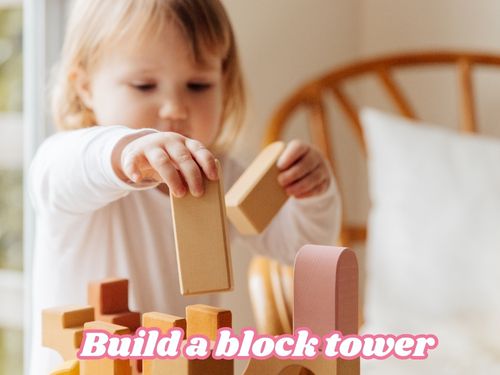
Stack blocks as high as you can and then let your toddler knock them down with great enthusiasm. The knockdown is always the highlight.
Why Parents Love It:
- Zero prep, zero cost. A set of blocks is all you need. Pull them out of the toy bin and you are done. No cutting, no mixing, no cleanup beyond tossing the blocks back in the box.
- Sneaks in real learning. Every time your toddler stacks and balances, they are building hand-eye coordination, spatial awareness, and early engineering thinking without even knowing it.
- The knockdown never gets old. Toddlers will stack and topple the same tower twenty times in a row with the same level of excitement each time. That kind of self-driven repetition is exactly how they learn best.
2
Create a Pillow Fort
Age Range: 1-3 Years Old
Set Up Time: 5 minute
Mommy Approved: Yes
Kids Fun:
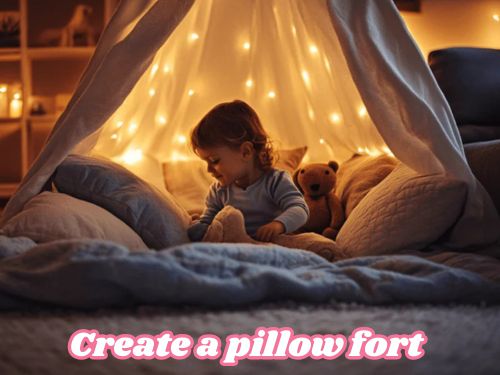
Drape blankets over chairs and pile in cushions to build a cozy little hideout. Toddlers are absolutely enchanted by having their own little space.
Why Parents Love It:
- Everything you need is already at home. Grab a few blankets, dining chairs, and sofa cushions, and you have everything you need. No trip to the store, no special supplies, just everyday household items turned into something magical.
- Sparks imaginative play for hours. Once the fort is built, toddlers turn it into a house, a cave, a spaceship, or a secret hideout. That open-ended imaginative play is incredible for creativity and language development.
- A cozy, calm-down space, too. On overwhelming or overstimulating days, a soft pillow fort becomes a wonderful, quiet retreat where toddlers can recharge, read books, or simply snuggle up and feel safe.
3
Dance Party
Age Range: 1-3 Years Old
Set Up Time: Under 1 minute
Mommy Approved: Yes
Kids Fun:
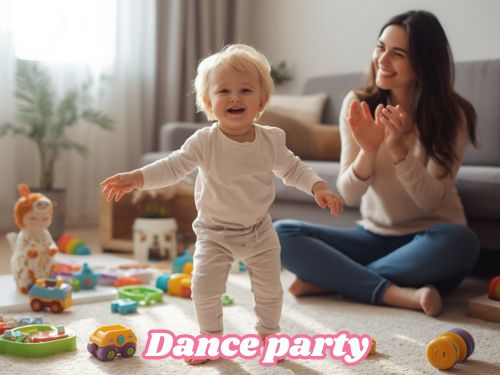
Turn on some upbeat music and dance together in the living room. Zero cost, zero setup, maximum joy.
Why Parents Love It:
- The ultimate energy burner. When the afternoon restlessness hits, and you are stuck indoors, hitting play on an upbeat playlist and letting your toddler dance it out is one of the fastest ways to burn off that pent-up energy before meltdown strikes.
- Zero setup, maximum fun. All you need is a phone or speaker and your living room floor. No supplies, no cleanup, no prep. Just press play and watch your toddler absolutely light up.
- It is a full workout in disguise. Jumping, spinning, clapping, and wiggling build gross motor skills, coordination, and rhythm, all while your toddler thinks they are just having the time of their life.
4
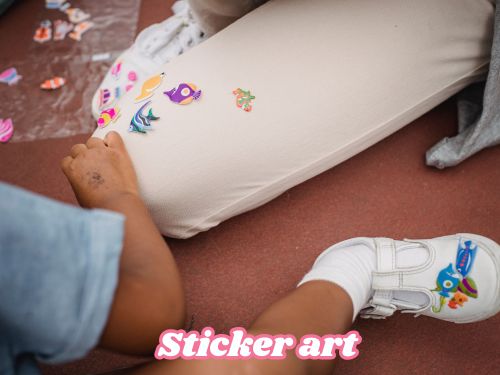
Sticker Art
Age Range: 1-3 Years Old
Set Up Time: Under 1 minute
Mommy Approved: Yes
Kids Fun:
Give your toddler a sheet of stickers and a piece of paper. It keeps little hands busy while building fine motor skills.
Why Parents Love It:
- Builds fine motor skills without them knowing it. Peeling a sticker off the sheet and placing it exactly where they want it is surprisingly great exercise for little fingers and builds the pincer grip they will need for writing one day.
- One of the cleanest toddler activities out there. No paint, no water, no mess to mop up afterward. Just a sheet of stickers and a piece of paper and you are done. Seriously, it is a mom’s dream activity.
- Endless creative freedom. Give your toddler a blank piece of paper or a simple outline and watch them fill it however they please. There are no wrong answers, which means pure confidence-building creative expression every single time.
5
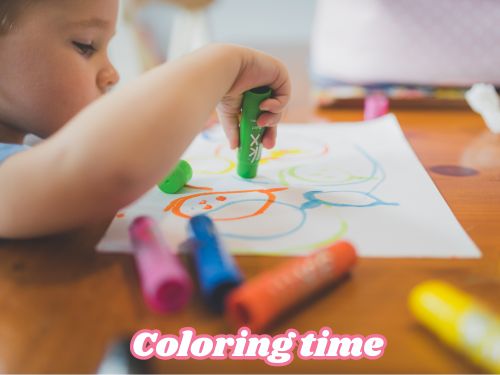
Coloring Time
Age Range: 1-3 Years Old
Set Up Time: Under 1 minute
Mommy Approved: Yes
Kids Fun:
Chunky crayons and a blank piece of paper are more than enough. No coloring book required.
Why Parents Love It:
- A wonderfully calming, quiet activity. When the house feels chaotic and you need five minutes of peace, pulling out the crayons and paper is one of the most reliable ways to get a toddler to sit down, focus, and settle into a calm, happy zone.
- Builds the grip they will need for writing. Holding and pressing a chunky crayon strengthens the hand muscles and pencil grip that your toddler will rely on when they start writing letters and numbers down the road.
- Simple, affordable, and endlessly reusable. A box of crayons and a stack of plain paper is all you need, and it works every single time. No batteries, no screens, no complicated setup; just pure, simple creative fun.
6
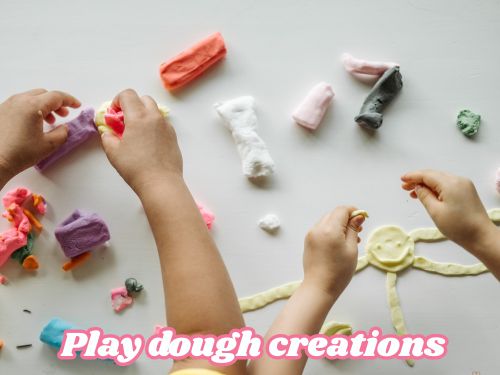
Play Dough Creations
Age Range: 2-3 Years Old
Set Up Time: 2 minutes
Mommy Approved: Yes
Kids Fun:
Whether you buy it or make it at home, Play dough is one of the best toddler investments you will ever make. Squeeze, roll, poke, and shape for as long as they want.
Why Parents Love It:
- A serious workout for little hands. Squeezing, rolling, pinching, and pressing play dough strengthens the small muscles in your toddler’s hands and fingers, which directly supports their ability to hold pencils, use scissors, and button clothes later on.
- Keeps them busy for a surprisingly long time. Unlike many toddler activities that last five minutes before they move on, play dough has genuine staying power. Most toddlers will happily sit and create for 20 to 30 minutes without needing any direction from you.
- Easy to make at home for almost nothing. You do not even need to buy it. A simple homemade play dough recipe using flour, salt, water, and food coloring takes less than 10 minutes and costs almost nothing, and it lasts for weeks stored in a zip-lock bag.
7
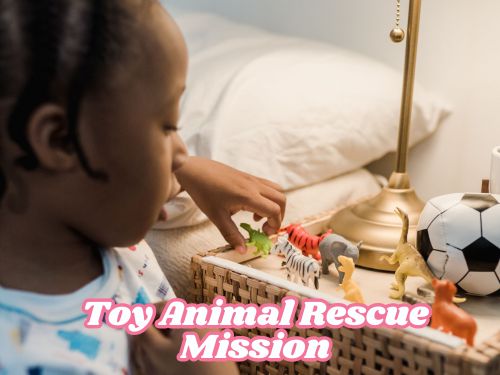
Toy Animal Rescue Mission
Age Range: 1-3 Years Old
Set Up Time: 2 – 3 minutes
Mommy Approved: Yes
Kids Fun:
Whether you buy it or make it at home, Play dough is one of the best toddler investments you will ever make. Squeeze, roll, poke, and shape for as long as they want.
Why Parents Love It:
- A serious workout for little hands. Squeezing, rolling, pinching, and pressing play dough strengthens the small muscles in your toddler’s hands and fingers, which directly supports their ability to hold pencils, use scissors, and button clothes later on.
- Keeps them busy for a surprisingly long time. Unlike many toddler activities that last five minutes before they move on, play dough has genuine staying power. Most toddlers will happily sit and create for 20 to 30 minutes without needing any direction from you.
- Easy to make at home for almost nothing. You do not even need to buy it. A simple homemade play dough recipe using flour, salt, water, and food coloring takes less than 10 minutes and costs almost nothing, and it lasts for weeks stored in a zip-lock bag.
8
Pretend Grocery Store

Age Range: 2-3 Years Old
Set Up Time: 5 – 10 minutes
Mommy Approved: Yes
Kids Fun:
Set out empty food boxes and cans, and let your toddler run the shop while you browse as the customer.
Why Parents Love It:
- An incredible boost for language and social skills. Running a pretend store means your toddler has to talk, negotiate, ask questions, and respond. All the back-and-forth conversation that builds vocabulary and social confidence faster than almost any other type of play.
- No special toys needed at all. Raid your pantry for empty cereal boxes, cans, and food packaging and line them up on a low shelf or table. Your toddler becomes the shopkeeper and you become the customer. That is genuinely all it takes to create a store that feels completely real to them.
- Sneaks in early math and life skills. Counting items, sorting food into categories, and exchanging pretend money all introduce early numeracy concepts in a completely natural and joyful way. It also helps toddlers understand real-world routines, which builds confidence and independence.
9
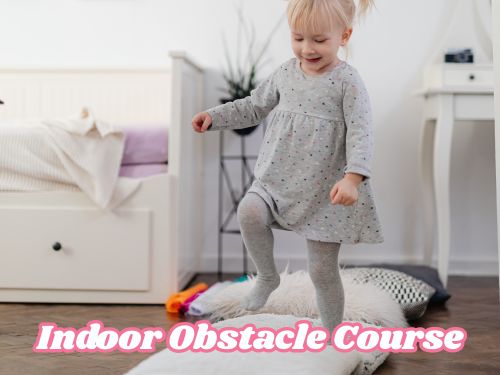
Indoor Obstacle Course
Age Range: 1-3 Years Old
Set Up Time: 5 – 10 minutes
Mommy Approved: Yes
Kids Fun:
Line up pillows, cushions, and sofa cushions to crawl over and jump between. A brilliant energy burner on rainy days.
Why Parents Love It:
- The best rainy day energy burner there is. When you are stuck inside and your toddler is bouncing off the walls, an obstacle course made of sofa cushions, pillows, and rolled-up blankets is the fastest way to channel all that wild energy into something safe, structured, and genuinely tiring in the best possible way.
- Builds strength, balance, and coordination. Crawling over cushions, jumping between spots, and climbing through tunnels works muscles your toddler does not even know they have. Every single obstacle builds gross motor skills and body awareness that supports their physical development for years to come.
- They will want to run it over and over again. Once you build the course, most toddlers will loop through it again and again without any encouragement from you. Change up the order or add a new challenge and it feels brand new every single time, which means you get a surprisingly long stretch of engaged, independent play.
10
Stuffed Animal Tea Party

Age Range: 1-3 Years Old
Set Up Time: 5 minutes
Mommy Approved: Yes
Kids Fun:
Set up a tea party with stuffed animal guests. This kind of pretend play is wonderful for language and social development.
Why Parents Love It:
- An absolute goldmine for language development. Hosting a tea party means your toddler has to talk to their guests, offer food, say please and thank you, and carry on little conversations. All of that rich, imaginative dialogue is quietly building vocabulary and social communication skills with every single cup they pour.
- Nurtures empathy and emotional intelligence. When a toddler tends to their stuffed animal guests, makes sure everyone has a cup, and checks if Teddy wants more, they are practicing care, kindness, and consideration for others in the most natural and heartwarming way imaginable.
- Uses toys they already have and love. No special setup needed. Gather a few stuffed animals, grab some plastic cups or a toy tea set, and let your toddler take the lead. The guests are already waiting on the bedroom floor and the host is more than ready to get the party started.
11
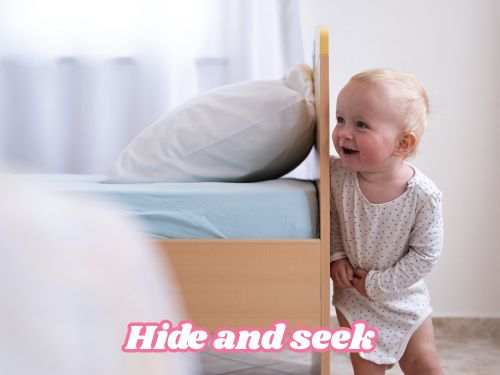
Hide and Seek
Age Range: 1-3 Years Old
Set Up Time:No setup needed
Mommy Approved: Yes
Kids Fun:
A classic for a reason. Start with easy hiding spots and let your toddler feel the thrill of being found.
Why Parents Love It:
- Builds cognitive and spatial skills through play. Finding a good hiding spot and remembering where someone went requires memory, spatial reasoning, and problem-solving — all skills that are quietly developing every time your toddler counts to three and goes searching for you behind the curtain.
- Produces the best toddler giggles on the planet. There is truly nothing like watching a two-year-old hide behind a throw pillow with their whole body visible and genuinely believe they are completely invisible. The joy and laughter this game generates is unmatched by almost any other activity.
- Zero setup and zero cost, just pure fun. No toys, no supplies, no prep time needed at all. Just a willing seeker, a good hiding spot, and a toddler who is about to experience the thrill of being found. It works indoors, outdoors, in any room, and in any weather — making it one of the most versatile activities on this entire list.
12
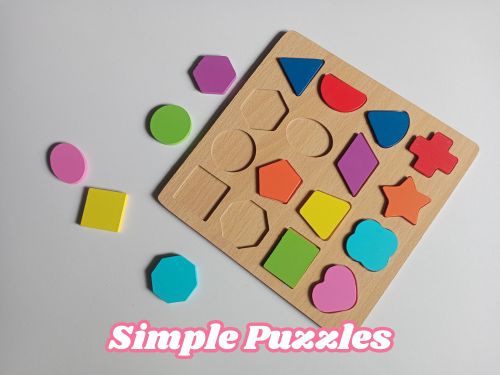
Simple Puzzles
Age Range: 1-3 Years Old
Set Up Time: Under 1 minute
Mommy Approved: Yes
Kids Fun:
A chunky wooden puzzle is perfect for toddlers and builds concentration and problem-solving in a really satisfying way.
Why Parents Love It:
- Builds problem-solving skills and concentration in one sitting. Every time your toddler picks up a puzzle piece, turns it, tries it in different spots, and finally figures out where it fits, they are going through a genuine problem-solving process that builds spatial reasoning, logical thinking, and focused attention. These are foundational cognitive skills that show up again and again in school and life, and they are being quietly developed every single time your toddler sits down with a simple puzzle.
- Excellent fine motor and hand-eye coordination practice. Picking up chunky puzzle pieces, manipulating them into the correct orientation, and placing them precisely into their matching slot requires the kind of careful hand control and finger dexterity that toddlers need to develop for writing, drawing, and self-care tasks. A simple wooden puzzle with large knobbed pieces is perfect for younger toddlers, while flat interlocking puzzles offer a satisfying step up in challenge for older ones.
- Delivers a powerful boost of pride and confidence. The moment a toddler places that final piece and the picture is complete is genuinely one of the most satisfying moments in a young child’s day. That sense of accomplishment, of having worked through a challenge and succeeded, is deeply motivating and builds the kind of persistent, can-do attitude that will serve them well in every area of learning and development as they grow.
13
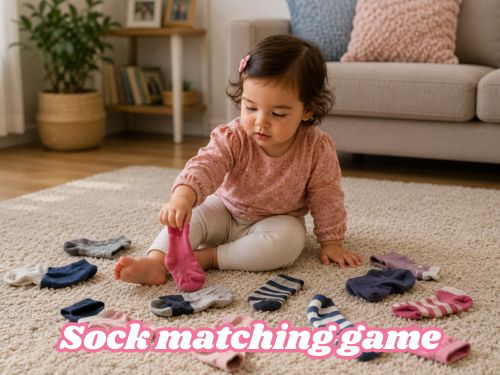
Sock Matching Game
Age Range: 1-3 Years Old
Set Up Time: Under 1 minute
Mommy Approved: Yes
Kids Fun:
Pull out a pile of clean socks and let your toddler match them by color and pattern. It feels like a game and builds early sorting skills.
Why Parents Love It:
- Gets a chore done while they play. This is one of those rare activities where your toddler genuinely helps out around the house without even realizing it. Dump out the clean sock pile, call it a game, and watch them sort and match with complete focus while you fold the rest of the laundry right alongside them.
- Teaches colors, patterns, and matching skills. Finding two socks that look the same means your toddler is studying colors, patterns, and visual details with real concentration. These are foundational early math and literacy skills that will show up again when they start learning to read and recognize numbers.
- Completely free and always available. Every family has a sock drawer and a laundry pile. This activity costs absolutely nothing, requires zero prep, and can be pulled out any time you need a quick five to ten minutes of engaged, educational play without reaching for a screen or a toy box.
14
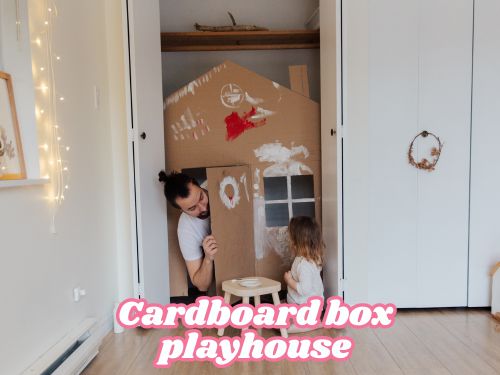
Cardboard Box Playhouse
Age Range: 1-3 Years Old
Set Up Time: 10 – 20 minutes
Mommy Approved: Yes
Kids Fun:
A large cardboard box becomes a car, a house, a rocket ship. Cut a window or door, and hand your toddler some crayons to decorate it.
Why Parents Love It:
- Turns recycling into pure magic. That giant Amazon box sitting in the corner is not trash — it is the best toy your toddler will play with all week. Cut out a door and a window, hand them some crayons to decorate it, and watch a simple cardboard box become a house, a rocket ship, a castle, or whatever their imagination decides it should be today.
- Doubles as a creative decorating activity. The building is only half the fun. Letting your toddler color, paint, and stick stickers all over their new playhouse adds a whole second layer of creative engagement. They get the satisfaction of making it their very own space, which makes them want to play in it even more.
- Keeps them entertained for days, not just minutes. Unlike most activities that last one afternoon, a cardboard playhouse tends to stick around. Toddlers return to it again and again, bringing in toys, stuffed animals, and snacks, turning it into their own little world that grows richer with every play session.
15
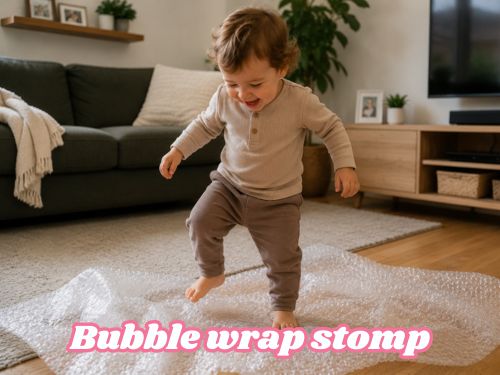
Bubble Wrap Stomp
Age Range: 1-3 Years Old
Set Up Time: Under 1 minute
Mommy Approved: Yes
Kids Fun:
Lay a sheet of bubble wrap on the floor and let your toddler stomp their way across it. Deeply satisfying for everyone involved.
Why Parents Love It:
- Instant joy with absolutely no effort. Lay a bubble wrap sheet on the floor, point to it, and step back. The look on your toddler’s face the moment they realize they get to stomp all over it and make it pop is one of those genuinely priceless parenting moments that costs you nothing at all.
- A brilliant sensory and gross motor experience. Stomping, jumping, and tiptoeing across bubble wrap engage your toddler’s sense of touch, hearing, and body awareness all at the same time. The unpredictable popping sound and feeling underfoot are genuinely stimulating for little developing brains and bodies.
- Free from packaging you were going to throw away anyway. Save the bubble wrap from your next delivery box instead of tossing it in the recycling, and you have an activity ready to go. You can also tape it to the floor for a more controlled experience, or dip it in paint for a totally different kind of bubble wrap art session.
Outdoor Screen-Free Activities for Toddlers
16
Nature Walk

Age Range: 1-3 Years Old
Set Up Time: No Set Up Needed
Mommy Approved: Yes
Kids Fun:
A slow walk where you stop to look at bugs, feel tree bark, and collect interesting things is one of the richest experiences you can give a toddler.
Why Parents Love It:
- Fresh air and movement does wonders for everyone. There is a reason that a short walk outside can completely reset a difficult morning. Fresh air, natural light, and gentle movement regulate toddlers’ moods and energy levels in ways that nothing indoors can quite replicate. Most moms will tell you that a grumpy toddler who steps outside almost always comes back in a completely different and much calmer state of mind.
- Every single walk is a brand new discovery. To a toddler, a short walk around the block is packed with things worth stopping to investigate. A beetle crossing the path, a puddle to jump in, a flower poking through a fence, a bird singing in a nearby tree. The world is genuinely endlessly fascinating at this age, and a nature walk lets them experience that wonder at their own beautiful, slow pace.
- Even better with a little collection bag. Hand your toddler a small bag or bucket before you head out and encourage them to collect interesting things along the way — a smooth rock, a fallen leaf, a pretty pebble, a pinecone. That simple addition turns a regular walk into an exciting treasure hunt and gives you a wonderful collection of nature finds to explore and talk about together when you get back home.
17
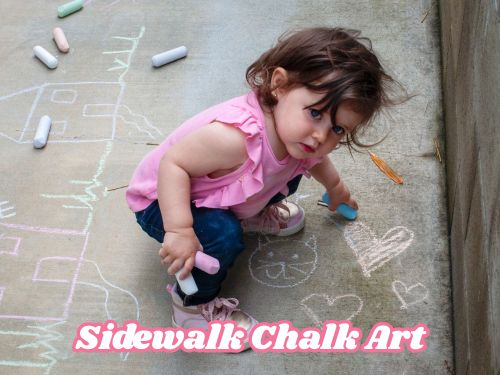
Sidewalk Chalk Art
Age Range: 1-3 Years Old
Set Up Time: Under 1 minute
Mommy Approved: Yes
Kids Fun:
Draw shapes, trace bodies, create a road for toy cars, or just scribble freely. Chalk washes away with the next rain, so there are no mistakes.
Why Parents Love It:
- The cleanup takes care of itself. This is genuinely one of the most parent-friendly art activities in existence. Your toddler can scribble, draw, and cover every inch of the driveway in colorful chalk and the next rain shower wipes the whole canvas completely clean without you lifting a single finger. No scrubbing, no washing, no mess inside the house — just pure outdoor creative freedom.
- The giant canvas builds big creative confidence. Unlike a small piece of paper, the driveway or sidewalk gives toddlers the freedom to draw on a truly grand scale. Big sweeping arm movements, large bold marks, and whole-body drawing all develop gross motor skills and spatial awareness while building a sense of creative confidence that comes from having room to really go for it without worrying about going outside the lines.
- Doubles as a learning activity with zero extra effort. Draw a hopscotch grid and practice jumping and counting. Trace your toddler’s body outline and name all the body parts together. Draw shapes, letters, or animals and talk about what you are making as you go. Sidewalk chalk is one of those wonderfully versatile tools that can be as simple or as educational as you want it to be on any given day.
18
Bubble Chasing

Age Range: 1-3 Years Old
Set Up Time: Under 1 minute
Mommy Approved: Yes
Kids Fun:
Blow bubbles and let your toddler run, chase, and pop them. Pure, uncomplicated toddler happiness.
Why Parents Love It:
- Guaranteed giggles every single time. There is something about bubbles that brings out pure unfiltered joy in toddlers without fail. Watching a little one sprint across the yard with their arms stretched wide trying to pop a bubble before it floats away is one of those simple parenting moments that stops your heart in the very best way and reminds you why the simplest things really are the most magical.
- Builds coordination and visual tracking skills. Chasing and popping bubbles requires your toddler to track a moving object with their eyes and then coordinate their hands and body to reach it before it disappears. That combination of eye tracking, hand-eye coordination, and whole body movement is genuinely valuable for development and happens completely naturally while they are just having the time of their life.
- One of the most affordable activities on the entire list. A bottle of bubble solution costs next to nothing and lasts for many play sessions. You can also make your own at home with dish soap, water, and a tiny bit of glycerin for extra strong bubbles that float longer and give your toddler more time to chase them down. Simple, cheap, and endlessly entertaining. Bubbles are genuinely one of the greatest toddler activity inventions of all time.
19
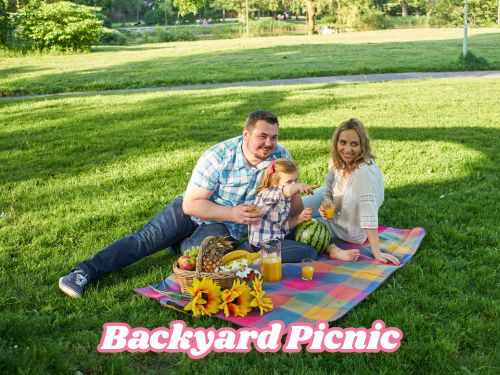
Backyard Picnic
Age Range: 1-3 Years Old
Set Up Time: 5 minutes
Mommy Approved: Yes
Kids Fun:
Lay out a blanket and have lunch or snack time outside. The novelty alone makes ordinary food taste better.
Why Parents Love It:
- Turns an ordinary meal into a special memory. You are making the same sandwich and cutting up the same fruit you always do — the only difference is a blanket on the grass and eating it outside. But to a toddler, that simple change of scenery transforms lunch into something that feels like a genuine adventure. It is one of those little things that costs nothing and creates the kind of memory they talk about for weeks.
- Gets everyone outside without any extra planning. On days when you want to get some fresh air but cannot face the logistics of packing up and going somewhere, a backyard picnic is the perfect solution. Just grab the food you were already going to make, throw a blanket on the grass, and you have a completely different and much more exciting lunch experience without leaving your own property.
- Creates beautiful unhurried connection time. Sitting on a blanket outside without the distractions of the television, the dishes, or the usual mealtime routine creates a natural space for slow, gentle conversation and connection. Toddlers tend to eat better, talk more, and sit longer at outdoor picnics than they ever do at the kitchen table, which is a wonderful bonus on top of everything else.
20
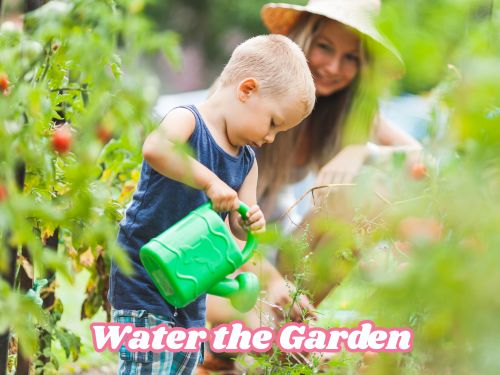
Water the Garden
Age Range: 1-3 Years Old
Set Up Time: Under 2 minutes
Mommy Approved: Yes
Kids Fun:
Give your toddler a small watering can and let them help water the plants. They feel wonderfully important and helpful.
Why Parents Love It:
- Makes your toddler feel genuinely important and capable. Handing a toddler their very own little watering can and giving them a real job to do in the garden is one of the most powerful confidence-building things you can offer at this age. They are not pretending to help — they are actually helping. That sense of real contribution and responsibility is something toddlers absolutely thrive on and carry with them long after the watering is done.
- Plants the earliest seeds of environmental awareness. Talking to your toddler about why plants need water, how they grow toward the sun, and what happens when we take care of living things introduces concepts of nature, responsibility, and the natural world in the most hands-on and age-appropriate way possible. These early conversations build a foundation of environmental awareness and care that grows right along with them.
- Builds strength, coordination, and focus all at once. Carrying a watering can that is even a little bit heavy, tilting it at just the right angle to pour without spilling, and directing the water toward a specific plant requires real physical effort and concentration from a toddler. It is a wonderful full body activity that looks like a simple chore but is actually doing a tremendous amount of developmental work under the surface.
21
Collect Leaves and Rocks

Age Range: 1-3 Years Old
Set Up Time: Under 1 minute
Mommy Approved: Yes
Kids Fun:
Hand your toddler a little bag or bucket and let them fill it with outdoor treasures on a walk. Talk about what they find as you go.
Why Parents Love It:
- Turns any ordinary walk into a purposeful adventure. The simple act of handing your toddler a small bag or bucket before heading outside completely changes the energy of the walk. Suddenly there is a mission, a goal, and a reason to stop and look closely at everything along the way. A walk that might have lasted ten minutes stretches into thirty because every pebble and fallen leaf becomes something worth examining and deciding whether it is worthy of the collection.
- Overflows with language and learning opportunities. Every item your toddler picks up is a chance to talk about colors, sizes, shapes, and textures. That rock is grey and smooth. This leaf is red and crinkly. That one is bigger than your hand. Those are the kinds of rich descriptive conversations that build vocabulary and observational skills in a way that feels completely effortless and natural for both of you.
- The fun continues long after you get back home. The collection does not have to end when the walk does. Bring the treasures inside and spread them on a tray to sort by size, color, or type. Use the leaves for leaf rubbings with crayons and paper. Paint the rocks. Arrange everything into a nature display your toddler is genuinely proud of. One simple walk turns into an entire afternoon of connected, creative, screen-free fun.
22
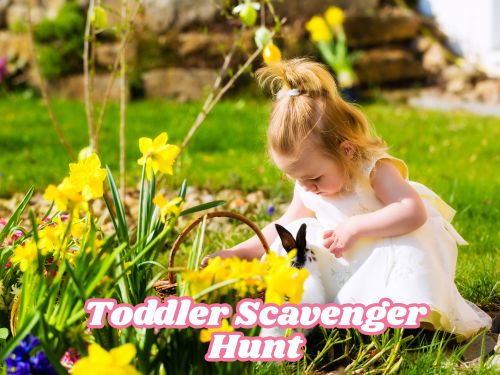
Toddler Scavenger Hunt
Age Range: 2-3 Years Old
Set Up Time: 5 minutes
Mommy Approved: Yes
Kids Fun:
Draw simple pictures of things to find outside, something red, something round, something with stripes, and set off on the hunt together.
Why Parents Love It:
- Builds observation, focus, and cognitive skills all at once. A scavenger hunt asks your toddler to hold a goal in mind, look carefully at the world around them, and make decisions about what they see. That combination of working memory, focused attention, and visual discrimination is genuinely excellent cognitive exercise for a developing toddler brain and it all happens while they think they are just playing a really fun game.
- The simplest version requires zero prep at all. You do not need a printed list or elaborate clues to run a toddler scavenger hunt. Just call out simple things as you walk together.Find something yellow, find something soft, find something with spots — and let your toddler search and discover. It is completely spontaneous, endlessly flexible, and works just as well in your living room on a rainy day as it does in the backyard on a sunny one.
- The thrill of finding things builds incredible confidence. Every time your toddler spots something on the list and shouts out that they found it, they experience a genuine rush of pride and accomplishment. That feeling of being capable, observant, and successful at a challenge is deeply motivating for toddlers and builds the kind of can-do confidence that spills over into every other area of their development as they grow.
23
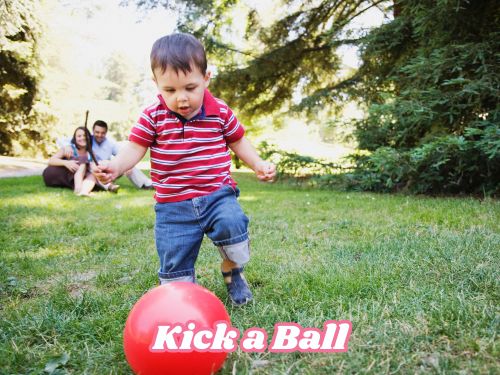
Kick a Ball
Age Range: 1-3 Years Old
Set Up Time: Under 1 minute
Mommy Approved: Yes
Kids Fun:
A soft ball in the backyard and a willing kick-along partner is all you need. Great for coordination and burning off that late-afternoon energy.
Why Parents Love It:
- One of the best gross motor activities for toddlers. Kicking a ball requires your toddler to balance on one leg while using the other to make contact with a moving target — which is actually a remarkably complex physical challenge for a two or three year old. Every kick builds leg strength, balance, coordination, and spatial awareness in a way that feels effortless and completely natural to them.
- Burns energy faster than almost anything else on this list. Running after a ball, chasing it across the yard, kicking it back, and doing it all over again is genuinely tiring in the very best way. On days when your toddler has been cooped up indoors and the energy levels are climbing toward meltdown territory, fifteen minutes of ball kicking in the backyard can completely reset the mood and get everyone to naptime in one piece.
- A beautiful way to play and connect together. Kicking a ball back and forth with your toddler is one of those simple, joyful activities that does not require any words, any planning, or any special skills from either of you. It is just the two of you outside, laughing, running, and enjoying each other. Those uncomplicated moments of play together are some of the most precious ones you will look back on and treasure the most.
24
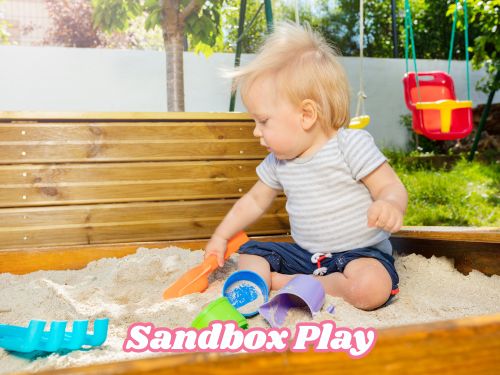
Sandbox Play
Age Range: 1-3 Years Old
Set Up Time: Under 2 minutes
Mommy Approved: Yes
Kids Fun:
A sandbox or a tub of sand, along with plastic cups and toy figures, provides hours of open-ended outdoor play.
Why Parents Love It:
- One of the longest-lasting independent play activities there is. Put a toddler in a sandbox with a few buckets, some spoons, and maybe a toy truck and you will genuinely be amazed at how long they stay engaged without needing anything from you. Sand play has a rare kind of staying power that keeps toddlers absorbed, focused, and happily busy for stretches of time that feel almost too good to be true on a busy day.
- A complete sensory and fine motor workout in one. Digging, scooping, pouring, patting, and molding sand engages your toddler’s sense of touch deeply while also working the small muscles in their hands and fingers in a really meaningful way. Add a little water to the sand and the texture changes completely, which opens up a whole new layer of sensory exploration and creative building possibilities.
- Sparks imagination and early engineering thinking. Building a sandcastle, digging a tunnel, creating a road for toy cars, or simply filling and dumping a bucket over and over introduces toddlers to concepts like cause and effect, spatial relationships, and basic construction in the most hands-on and enjoyable way imaginable. Every sandcastle that collapses is a problem to be solved and rebuilt, which is exactly the kind of resilient thinking we want to nurture from the very beginning.
25
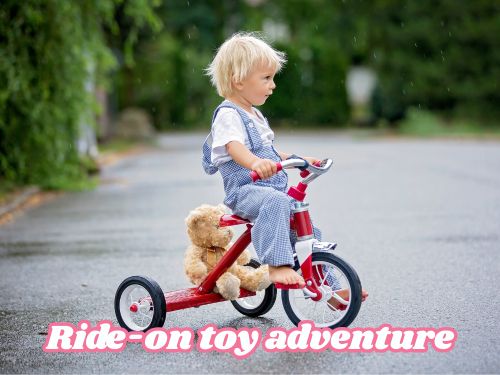
Ride-On Toy Adventure
Age Range: 2-3 Years Old
Set Up Time: Under 1 minute
Mommy Approved: Yes
Kids Fun:
Whether it is a balance bike, a push car, or a little trike, letting your toddler zoom around outside is brilliant for their physical development and their mood.
Why Parents Love It:
- Builds balance and coordination in the most fun way possible. Whether it is a balance bike, a push car, a tricycle, or a scooter, riding any kind of wheeled toy requires your toddler to develop core strength, balance, and spatial awareness at a rapid pace. These are foundational physical skills that will serve them well when they eventually transition to a pedal bike, and every minute they spend zooming around on their ride-on toy is quietly building that confidence and capability.
- Gives toddlers a thrilling sense of independence and freedom. There is something genuinely magical about the look on a toddler’s face the first time they realize they can move themselves through space under their own power. That feeling of independence, speed, and self-directed exploration is incredibly motivating and confidence-building, and it grows stronger with every ride as they get faster, more controlled, and more adventurous.
- A reliable way to get outside and burn energy every single day. On the days when you need to get out of the house but do not have a plan, simply bringing out the ride-on toy and letting your toddler zoom around the driveway or down the path is always a winner. It requires no setup, no supervision beyond normal outdoor safety, and delivers a solid dose of fresh air, physical activity, and pure joy that makes the rest of the day go so much more smoothly for everyone.
Sensory Activities for Toddlers
26
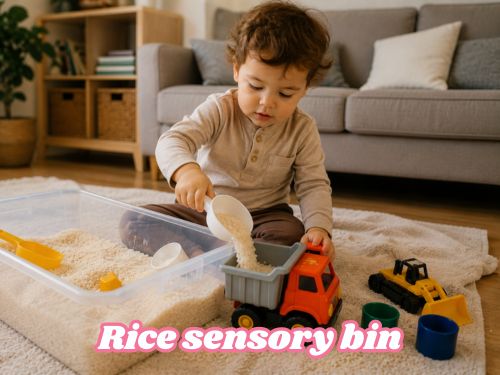
Rice Sensory Bin
Age Range: 1 – 3 Years Old
Set Up Time: 2 – 3 minutes
Mommy Approved: Yes
Kids Fun:
Fill a shallow container with dried rice, then add spoons and small cups. Always supervise closely, but most toddlers will play with this for a surprisingly long time.
Why Parents Love It:
- One of the most engaging activities for toddlers. Set up a rice sensory bin, and most toddlers will sit and play independently for 30 to 45 minutes without needing a single thing from you. The repetitive scooping, pouring, and digging are genuinely calming and completely absorbing for little ones in a way that is hard to match with any other simple activity.
- Incredible for sensory and fine motor development. Running fingers through rice, scooping it into cups, and pouring it from one container to another gives your toddler rich tactile feedback while building the hand strength and coordination they need for writing, drawing, and self-care tasks later on.
- Endlessly customizable with what you already have. Add small toy animals for a hide-and-find game, toss in some measuring cups and funnels, or dye the rice with food coloring for a splash of color. The base bin costs almost nothing and can be refreshed with new themes and tools every single week to keep it feeling brand new.
27
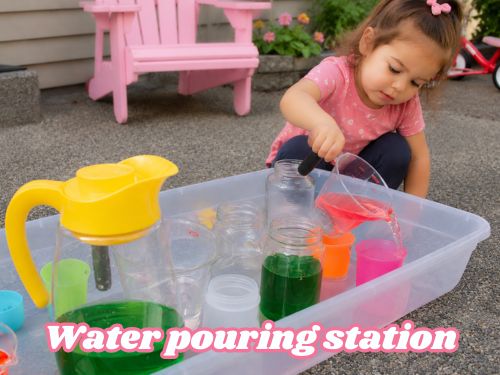
Water Pouring Station
Age Range: 1 – 3 Years Old
Set Up Time: 2 – 3 minutes
Mommy Approved: Yes
Kids Fun:
A small plastic tub with a bit of water, some cups, and funnels is endlessly fascinating. Do this outside or in the bathtub to keep cleanup easy.
Why Parents Love It:
- Water play is calming in a way almost nothing else is. On big feeling days, overwhelmed days, or just those afternoons where your toddler cannot seem to settle, a simple water pouring station has an almost magical ability to bring the energy down and help little ones regulate. There is something deeply soothing about the sound and feel of water that works every single time.
- Introduces early science concepts through play. Pouring water from a big container into a small one and watching it overflow, discovering that a funnel makes pouring easier, and figuring out which cup holds more, and all of these little moments are your toddler’s first hands-on introduction to volume, capacity, and cause and effect.
- Completely free using things already in your kitchen. A plastic tub or dish basin, a few cups, a funnel, and a small pitcher from the kitchen is truly all you need. Set it up on a towel on the kitchen floor, in the bathtub, or outside on a warm day and your toddler will be happily occupied for a surprisingly long stretch of time.
28
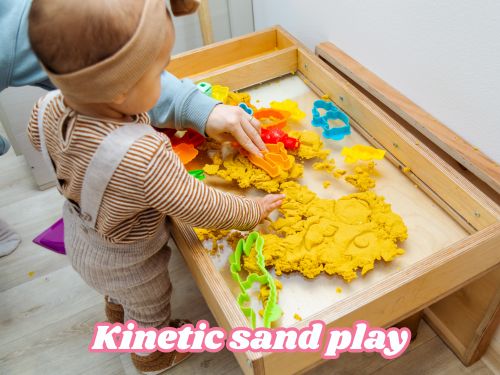
Kinetic Sand Play
Age Range: 2 – 3 Years Old
Set Up Time: 2 – 3 minutes
Mommy Approved: Yes
Kids Fun:
Great for toddlers who find wet sensory bins too overwhelming. It holds shapes, cleans up relatively well, and keeps little hands very busy.
Why Parents Love It:
- All the fun of sand with way less mess. Kinetic sand sticks to itself rather than scattering everywhere, which means you get the wonderful sensory experience of sand play without the cleanup nightmare. A tray or shallow bin underneath is usually all you need to keep things contained and tidy enough to actually enjoy the activity.
- Deeply satisfying sensory and fine motor play. The unique texture of kinetic sand — the way it flows, holds its shape, and crumbles so perfectly — is genuinely fascinating to toddlers. Pressing it into molds, cutting it with plastic tools, and watching it slowly fall apart engages their senses and builds hand strength in a way that is hard to replicate with any other material.
- Reusable again and again with zero waste. Unlike playdough that dries out or paint that runs out, a good bag or tub of kinetic sand lasts for months and months. Store it in an airtight container between uses and it stays in perfect condition, making it one of the best value sensory investments you can make for your toddler’s play space.
29
Ice Cube Exploration
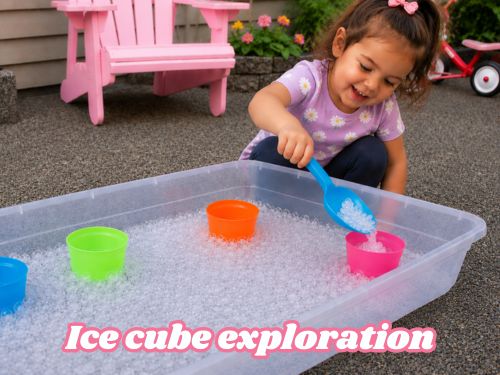
Age Range: 2 – 3 Years Old
Set Up Time: Under 1 minute
Mommy Approved: Yes
Kids Fun:
Drop a few ice cubes into a bowl and let your toddler feel them, watch them melt, and talk about what is happening. Simple science magic.
Why Parents Love It:
- A first science experiment hiding in plain sight. Watching an ice cube slowly melt, feeling it get smaller and colder in their hands, and discovering that it turns into water is your toddler’s very first introduction to the concept of states of matter. You do not need a science kit or a lesson plan; just a bowl of ice cubes and your curiosity alongside theirs.
- Easy to make more exciting with food coloring. Freeze colored water into ice cubes the night before, and the whole activity levels up instantly. Toddlers are completely mesmerized watching the colors bleed and swirl as the ice melts into the water below. Add a white tray, and the color mixing becomes its own little art project at the same time.
- The cheapest sensory activity you will ever set up. Open the freezer, grab a handful of ice cubes, drop them into a bowl, and you are done. The whole setup takes about ten seconds and costs absolutely nothing. On hot days, take it outside for a cooling sensory experience that doubles as a welcome escape from the heat.
30
Nature Sensory Tray
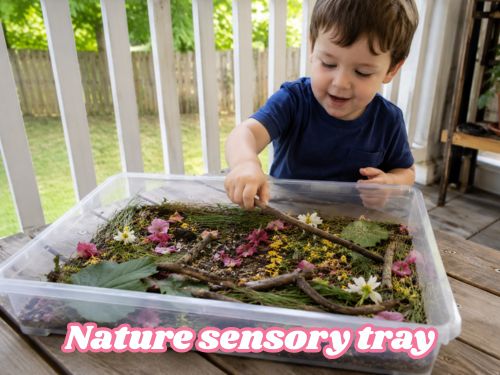
Age Range: 1 – 3 Years Old
Set Up Time: 5 – 10 minutes
Mommy Approved: Yes
Kids Fun:
Collect leaves, grass, flower petals, and sticks from outside and arrange them on a tray for exploration. Free, easy, and wonderful.
Why Parents Love It:
- Completely free and endlessly different every time. Step outside for five minutes and collect whatever you find; leaves, sticks, pebbles, flower petals, pine cones, seed pods, or even a handful of soil. Every season brings a completely different set of materials, which means this activity naturally refreshes itself all year long without costing you a single penny.
- An incredible opportunity for vocabulary building. Sitting beside your toddler as they explore the tray and narrating everything they touch; from rough, smooth, bumpy, prickly, soft, dry, and crunchy. It is one of the richest and most natural language-building experiences you can create at home. Every texture and every item is a new word waiting to be learned.
- Builds a love of nature from the very beginning. When toddlers are encouraged to touch, smell, and explore natural materials up close, they develop a genuine curiosity and appreciation for the natural world that tends to stick with them as they grow. This simple tray is quietly planting the seeds of a lifelong love of being outdoors and caring for the environment.
31
Scooping and Pouring Practice
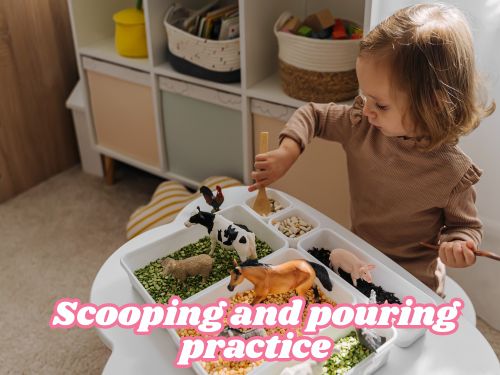
Age Range: 1 – 3 Years Old
Set Up Time: 2 – 3 minutes
Mommy Approved: Yes
Kids Fun:
Set out bowls of different sizes with some dry pasta or beans, and let your toddler transfer them back and forth with a spoon. Place a tray underneath for easy cleanup.
Why Parents Love It:
- One of the best fine motor activities you can offer. Gripping a spoon, scooping up beans or pasta, and carefully transferring them from one bowl to another takes real concentration and hand control for a toddler. Every single scoop is quietly strengthening the exact muscles and coordination they will need for feeding themselves, drawing, and eventually writing.
- Incredibly calming and deeply focusing. There is something about the repetitive rhythm of scooping and pouring that settles toddlers down in a really beautiful way. It is one of those rare activities that works wonderfully right before naptime or during an overstimulated afternoon when your toddler needs to slow down and reset without realizing that is exactly what is happening.
- Uses only what you already have in your kitchen. A few bowls, a couple of spoons, and whatever dry ingredient you have on hand (rice, pasta, dried beans, oats, or even cereal) is all it takes. Place a tray or an old sheet underneath to catch the spills and you have an activity that is easy to set up, easy to clean up, and endlessly reusable every single week.
32
Finger Painting
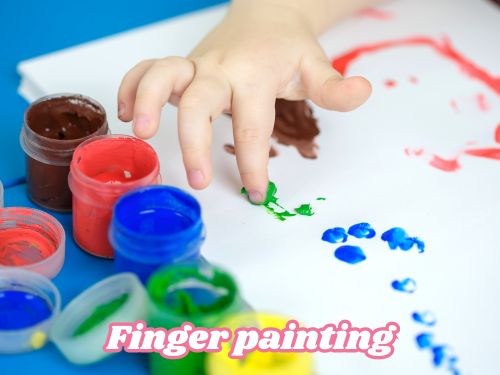
Age Range: 1 – 3 Years Old
Set Up Time: 3 – 5 minutes
Mommy Approved: Yes
Kids Fun:
Cover the table with paper and let your toddler paint with their hands. Yes, it is messy. Yes, it is completely worth it.
Why Parents Love It:
- The most direct sensory art experience a toddler can have. Using fingers instead of a brush means your toddler is fully immersed in the texture, temperature, and feel of the paint as they create. That direct tactile connection makes finger painting one of the richest sensory experiences available to young children and one they absolutely never get tired of.
- A natural introduction to color mixing. The moment your toddler swipes a red finger through a blob of yellow paint and discovers that it turns orange is one of those genuine wonder moments that lights up a little face like nothing else. Finger painting introduces color theory in the most hands-on and joyful way imaginable, long before any formal learning begins.
- Creates real artwork worth keeping and treasuring. Those little handprints and finger swipes make the most beautiful keepsakes. Date the paintings, frame your favorites, or use them as wrapping paper and cards for grandparents. The mess is temporary but the artwork and the memory of making it together lasts for years.
33
Pom-Pom Transfer Activity
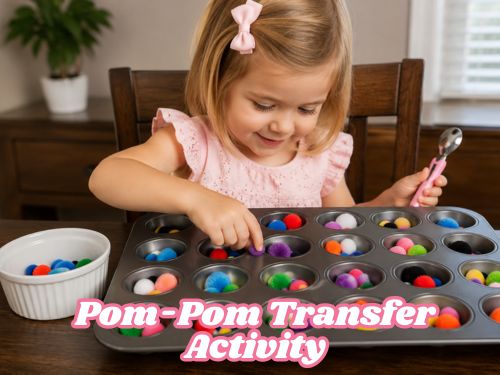
Age Range: 1 – 3 Years Old
Set Up Time: Under 2 minutes
Mommy Approved: Yes
Kids Fun:
Set out a muffin tin and a bag of colorful pom-poms, then let your toddler transfer them with their fingers or a spoon. Sorting by color makes it even better.
Why Parents Love It:
- Targets the pincer grip in the most satisfying way. Picking up a soft fluffy pom pom between two fingers and placing it precisely into a muffin tin cup requires exactly the kind of finger control that toddlers need to develop for writing, buttoning, and using utensils. It feels like play but it is genuinely one of the best fine motor exercises you can offer a toddler this age.
- Doubles as a color sorting and matching game. Give your toddler a muffin tin with colored paper circles in each cup and ask them to match the pom pom color to the right spot. That simple addition turns a fine motor activity into a color recognition game that challenges their brain while keeping their hands busy at exactly the same time.
- Minimal supplies and maximum engagement. A bag of mixed pom poms from any craft store and a muffin tin from your kitchen is genuinely all you need. For older toddlers, swap fingers for a pair of child-safe tweezers or tongs to level up the challenge. The whole setup fits in a small bag and can be pulled out anywhere, anytime, in about thirty seconds flat.
34
Bubble Foam Play
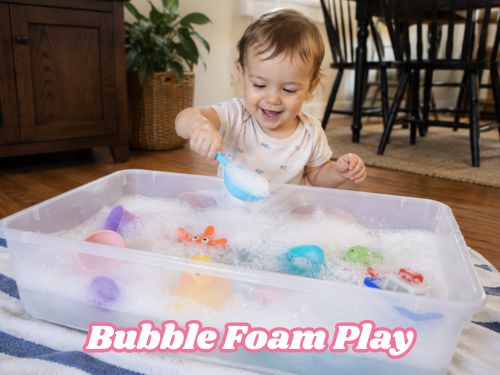
Age Range: 1 – 3 Years Old
Set Up Time: 3 – 5 minutes
Mommy Approved: Yes
Kids Fun:
Mix dish soap and a little water, and use a hand mixer to whip up a bowl of fluffy foam. Your toddler will squish and scoop it for ages.
Why Parents Love It:
- Made from two ingredients you already have at home. All you need is dish soap and water, plus a hand mixer or immersion blender to whip it up into fluffy peaks. Add a few drops of food coloring to make it even more exciting and you have a completely unique sensory experience that feels special and elaborate but costs almost nothing at all to create.
- A completely unique texture toddlers go absolutely wild for. The light, airy, cloud-like feel of bubble foam is unlike anything else in your toddler’s sensory experience. Squishing it, scooping it, watching it slowly collapse and reform; every single interaction with bubble foam is a new and genuinely fascinating discovery for little hands and developing brains.
- Easy to theme and customize for extra excitement. Add blue food coloring and toy sea animals for an ocean sensory tray. Use green foam with plastic bugs for a jungle adventure. Mix in glitter for a fairy foam experience. The base recipe stays the same every time but the theme can change completely, keeping this activity feeling brand new week after week.
35
Texture Hunt
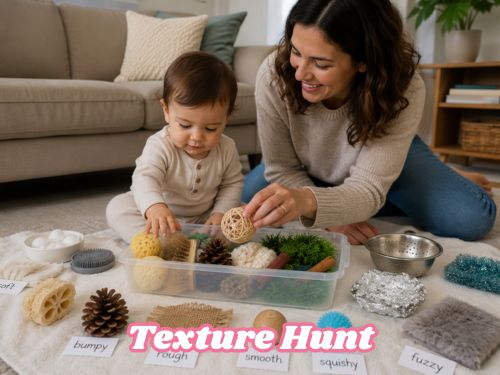
Age Range: 1 – 3 Years Old
Set Up Time: 2 minutes
Mommy Approved: Yes
Kids Fun:
Walk around the house together, touching different surfaces and talking about how they feel. Smooth, bumpy, soft, rough, warm, cool. A simple vocabulary-building sensory adventure.
Why Parents Love It:
- Your whole house is the activity and it costs nothing. You do not need to buy a single thing for this one. Walk around the house with your toddler touching the carpet, the smooth kitchen counter, the bumpy brick wall, the soft blanket, and the rough doormat. Every room offers a completely different set of textures just waiting to be discovered and talked about.
- One of the best vocabulary builders hiding in plain sight. Every texture your toddler touches is an opportunity to introduce a new descriptive word — rough, smooth, bumpy, scratchy, silky, squishy, hard, soft, cold, warm. These describing words are building blocks for language development and communication skills that will serve them for the rest of their lives.
- Supports sensory processing and brain development. Regularly exposing toddlers to a wide variety of textures helps their sensory processing system develop in a healthy and well-rounded way. Children who are comfortable with different textures tend to have an easier time with sensory experiences in everyday life like trying new foods, wearing different fabrics, and playing in new environments.
Learning Activities That Feel Like Play
36
Read Picture Books

Age Range: 1 – 3 Years Old
Set Up Time: Under 1 minute
Mommy Approved: Yes
Kids Fun:
Even ten minutes of reading together each day makes a significant difference to language development. Let your toddler choose the book, even if it is the same one for the fortieth time.
Why Parents Love It:
- The single most powerful thing you can do for language development. Reading picture books aloud to your toddler every single day exposes them to thousands of words they would never hear in everyday conversation. Studies consistently show that children who are read to regularly develop larger vocabularies, stronger literacy skills, and a genuine love of learning that carries them all the way through school and beyond.
- Creates the warmest bonding moments of the whole day. There is something truly irreplaceable about snuggling up with your toddler and reading together. The closeness, the shared attention, the way they point at pictures and look up at your face — these quiet reading moments build a connection and a sense of security that your child carries with them long after the book is closed.
- They will want the same book forty times and that is perfectly fine. Toddlers learn through repetition and asking for the same book over and over is actually a sign that your child is deeply engaged and absorbing new language with every single reading. By the tenth read, they will start filling in words and finishing sentences, which is one of the most delightful early literacy milestones you will ever witness.
37
Animal Sound Game
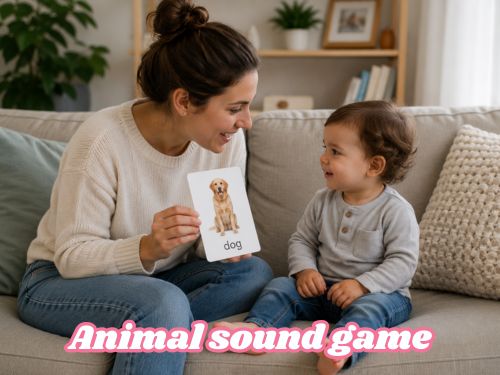
Age Range: 1 – 3 Years Old
Set Up Time: No setup needed
Mommy Approved: Yes
Kids Fun:
Name an animal and ask what sound it makes, or make the sound and let your toddler guess the animal. Always ends in giggles.
Why Parents Love It:
- One of the very best first language games you can play. Animal sounds are almost always among a toddler’s earliest words and vocalizations for a good reason. They are short, fun, and highly repeatable. Every moo, woof, and quack your toddler attempts is building vocal control, imitation skills, and the confidence to keep trying new sounds and words every single day.
- Guaranteed to produce the best toddler giggles. Something about making animal sounds together is just inherently hilarious to a two-year-old. The moment you get down on the floor and roar like a lion or quack like a duck, your toddler completely loses it with laughter. And laughing together while learning is honestly the very best kind of learning there is.
- Play it anywhere with zero preparation needed. In the car, at the grocery store, in the waiting room at the doctor, on a walk, at the dinner table. The animal sound game requires nothing but your voice and your toddler’s willingness to play along. It is one of those rare activities that is genuinely useful in every situation and every location without needing a single thing to set up.
38
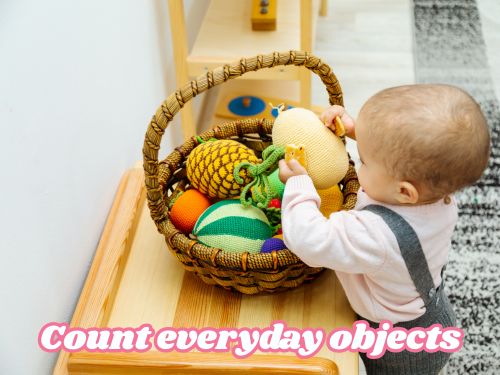
Count Everyday Objects
Age Range: 1 – 3 Years Old
Set Up Time: No setup needed
Mommy Approved: Yes
Kids Fun:
Count the stairs, count the grapes at lunch, count socks as you fold laundry. Counting in real contexts is far more meaningful than drilling numbers.
Why Parents Love It:
- Turns the whole world into a math classroom. Counting stairs as you climb them, grapes at lunchtime, socks as you fold laundry, cars in the parking lot, and steps on a walk — every single moment of everyday life becomes a natural and meaningful opportunity to build number sense. No worksheets, no flashcards, no prep required at all.
- Builds genuine number sense rather than just memorization. When toddlers count real objects they can touch and see, they are developing a true understanding of what numbers actually mean rather than simply reciting a sequence of words. That foundational number sense is what separates children who truly understand math from those who just learned to count by rote, and it starts right here in your kitchen.
- Fits naturally into moments you are already having. You do not need to carve out special time for this activity because it lives inside your regular day. Count the blueberries going onto the bowl at breakfast. Count the buttons on their shirt while getting dressed. Count the books going back on the shelf before bed. Every small counting moment adds up to big mathematical confidence over time.
39
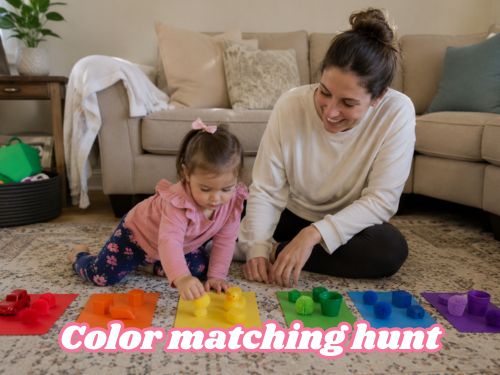
Color Matching Hunt
Age Range: 1 – 3 Years Old
Set Up Time: 1 minute
Mommy Approved: Yes
Kids Fun:
Call out a color and challenge your toddler to find as many things in the house that match as possible.
Why Parents Love It:
- Teaches color recognition in the most natural way possible. Instead of drilling colors with flashcards, the color matching hunt sends your toddler on an exciting mission through the house or backyard to find something red, something yellow, something green. Learning colors in the context of real objects they can touch and pick up is so much more meaningful and memorable than any worksheet or screen-based activity could ever be.
- Gets your toddler moving and thinking at the same time. Running from room to room searching for a specific color gets little legs moving while little brains are working hard to identify, compare, and match. It is one of those beautifully simple activities that combines physical activity with cognitive development without either one feeling forced or structured.
- A different game every single time you play it. Call out a new color each round and your toddler is off on a brand new hunt. Play it inside on rainy days, outside in the garden, at the grocery store, or even in the car by spotting colored vehicles passing by. The game never gets old because the environment and the colors you choose are always changing and always surprising.
40
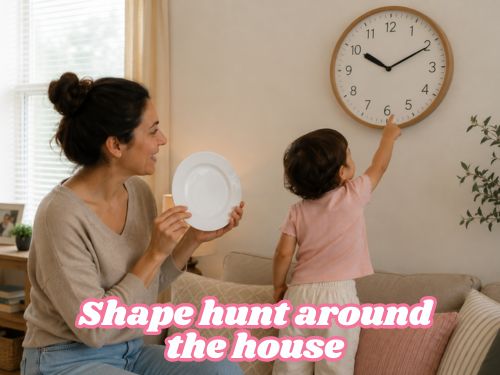
Shape Hunt Around the House
Age Range: 1 – 3 Years Old
Set Up Time: No setup needed
Mommy Approved: Yes
Kids Fun:
Look for circles, squares, and rectangles in everyday objects. The clock is a circle. The window is a rectangle. The door is a rectangle too.
Why Parents Love It:
- Your home is already full of shapes just waiting to be found. The clock on the wall is a circle. The window is a rectangle. The sandwich on the plate is a triangle. The cereal box is a rectangle. Once you start pointing out shapes in everyday objects your toddler suddenly sees the world completely differently and every room becomes a brand new learning adventure worth exploring together.
- Builds early geometry and visual thinking skills. Recognizing and naming shapes is one of the foundational skills that supports early math, reading readiness, and spatial reasoning. When toddlers learn to identify a triangle in a real-world context rather than just on a worksheet, they develop a deeper and much more flexible understanding of shapes that sticks with them long term.
- Never the same game twice and playable absolutely anywhere. Hunt for circles in the kitchen today, rectangles in the bedroom tomorrow, and triangles outside on a walk the day after. As your toddler gets more confident, introduce more complex shapes like ovals, diamonds, and hexagons to keep the challenge growing right alongside their knowledge and excitement.
41
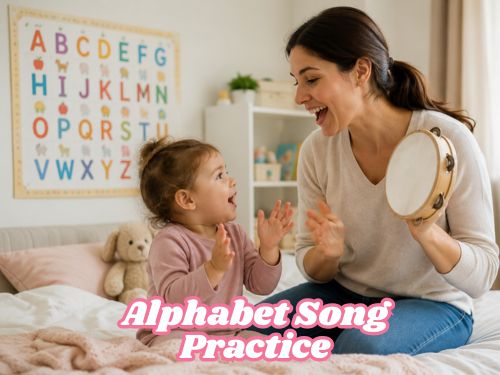
Alphabet Song Practice
Age Range: 1 – 3 Years Old
Set Up Time: No setup needed
Mommy Approved: Yes
Kids Fun:
Sing the alphabet song together during bath time, in the car, or during meals. Repetition is how toddlers learn and they never tire of it.
Why Parents Love It:
- Music makes letter learning stick in a way nothing else can. The alphabet song has been helping toddlers learn their letters for generations and there is a very good reason it has never gone out of style. The melody, rhythm, and rhyme pattern make the sequence of 26 letters incredibly easy for little brains to absorb, retain, and recall — long before a child can recognize a single letter visually on a page.
- A pocket activity that works absolutely anywhere. Sing it during bath time, in the car on the way to the grocery store, while waiting at the doctor, during diaper changes, or while cooking dinner together. The alphabet song needs no props, no space, and no preparation; just your voice and your willingness to sing it for the hundredth time with the same enthusiasm as the first.
- Builds the foundation for reading and writing readiness. Knowing the alphabet song by heart is one of the very first pre-literacy milestones that sets toddlers up for reading success. Once they know the song, you can begin pointing to letters in books, on signs, and around the house, helping them connect the sounds they already know and love to the written letters they are just beginning to discover.
42
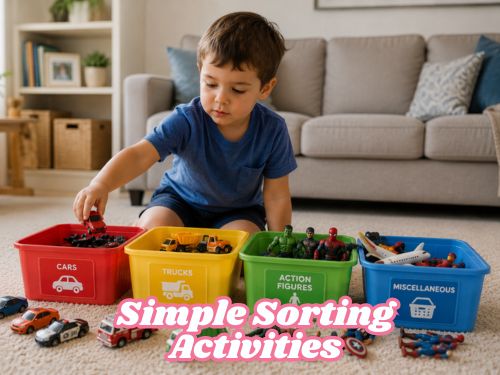
Simple Sorting Activities
Age Range: 1 – 3 Years Old
Set Up Time: 2 – 3 minutes
Mommy Approved: Yes
Kids Fun:
Sort toys by size, color, or type. Sorting is a foundational math skill and toddlers find it genuinely satisfying.
Why Parents Love It:
- One of the most important early math skills you can build. Sorting is the foundation of mathematical thinking. When your toddler groups red blocks together, separates big toys from small ones, or puts all the spoons in one pile and the forks in another, they are developing classification skills, pattern recognition, and logical thinking that will directly support their math learning all the way through school.
- You already have everything you need right at home. Sorting activities do not require any special materials whatsoever. Use colored blocks, mixed buttons, different sized pasta, a handful of coins, toy cars in different colors, or even a pile of clean laundry. If it comes in different colors, sizes, or types, it can be sorted, and that means the whole house is full of ready-made sorting activities waiting to happen.
- Easy to grow with your toddler as they develop. Start with simple two-category sorts like big and small or red and blue for younger toddlers. As they get more confident, introduce three or four categories, add a second attribute like sorting by both color and size at the same time, or challenge them to come up with their own sorting rules. This activity naturally scales with your child’s growing abilities and keeps on challenging them for years.
43
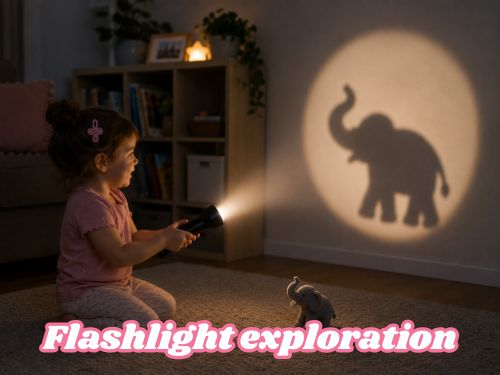
Flashlight Exploration
Age Range: 1 – 3 Years Old
Set Up Time: Under 1 minute
Mommy Approved: Yes
Kids Fun:
Hand your toddler a small flashlight and dim the room a little. Shine it around, name what the light lands on, and watch the delight on their face.
Why Parents Love It:
- Transforms the ordinary into something completely magical. Hand your toddler a small flashlight, dim the room just a little, and watch their entire face change. Suddenly the bookshelf, the toy basket, and the bedroom ceiling become the most fascinating things they have ever seen. A simple flashlight turns a regular Tuesday afternoon into a full-blown adventure without leaving the house or spending a single cent.
- A brilliant introduction to light, shadow, and science. Shining the flashlight at the wall and making shadows with their hands, noticing how the beam of light changes when it hits different surfaces, and discovering that some objects glow while others stay dark — all of these little moments are genuine early science discoveries that spark curiosity and critical thinking in the most playful and pressure-free way possible.
- A brilliant introduction to light, shadow, and science. Shining the flashlight at the wall and making shadows with their hands, noticing how the beam of light changes when it hits different surfaces, and discovering that some objects glow while others stay dark. All of these little moments are genuine early science discoveries that spark curiosity and critical thinking in the most playful and pressure-free way possible.
44
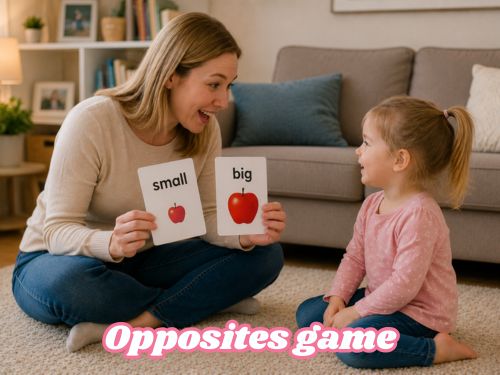
Opposites Game
Age Range: 1 – 3 Years Old
Set Up Time: Under 1 minute
Mommy Approved: Yes
Kids Fun:
Big and small, fast and slow, hot and cold. Introduce opposites playfully during everyday moments and watch the concept click over time.
Why Parents Love It:
- Builds critical thinking and descriptive language all at once. Learning opposites teaches toddlers to compare, contrast, and describe the world around them in more sophisticated ways. When your child understands that something is not just big but the opposite of small, they are developing the kind of flexible thinking and rich vocabulary that supports both language development and early reasoning skills for years to come.
- Every moment of everyday life is a teaching opportunity. You do not need to sit down and run a lesson to teach opposites. Pour cold water and warm water and talk about the difference. Walk fast down the hallway and then creep slowly back. Hold up a big teddy bear next to a tiny one. Pick up something heavy and something light. The whole day is full of natural opposite moments just waiting to be named and celebrated together.
- Turns into the silliest and most fun game with no effort at all. Whisper something and then shout it. Walk in slow motion and then sprint. Make a tiny voice and then a giant booming one. Toddlers find the physical and vocal exaggeration of opposites absolutely hilarious, which means the giggles come easily and the learning sticks deeply because it is attached to a genuinely joyful memory every single time you play.
45
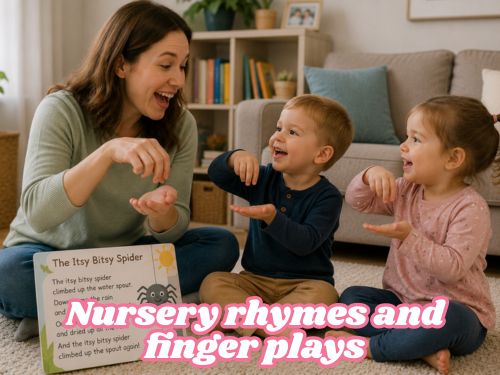
Nursery Rhymes and Finger Plays
Age Range: 1 – 3 Years Old
Set Up Time: Under 1 minute
Mommy Approved: Yes
Kids Fun:
Itsy Bitsy Spider, Wheels on the Bus, Five Little Monkeys. These classics build language, rhythm, and memory in a joyful way.
Why Parents Love It:
- Combines language, music, and movement into one beautiful activity. Nursery rhymes and finger plays tick every single developmental box at once. The melody supports memory and language acquisition, the rhyming patterns build phonological awareness that directly supports early reading, and the hand movements and actions build coordination and body awareness. All wrapped up in something that feels like pure fun to your toddler and takes zero effort to set up.
- Creates the warmest and most connected moments between you and your toddler. There is something incredibly bonding about looking into your toddler’s face as you sing Itsy Bitsy Spider together and watching them try to copy your finger movements with total concentration and delight. These shared singing moments create a sense of joy and togetherness that your child will associate with feeling safe and loved long after they have grown out of the toddler years.
- Your most reliable go-to activity for every single situation. Stuck in a waiting room? Sing Five Little Ducks. Long car ride? Wheels on the Bus. Overtired toddler who needs to calm down? Twinkle Twinkle. Toddler who needs to wash their hands but refuses? Make up a silly handwashing song together. Nursery rhymes and finger plays are the ultimate parenting superpower because they work anywhere, anytime, and always for free.
Quiet Time Activities for Toddlers
46
Independent Book Basket:
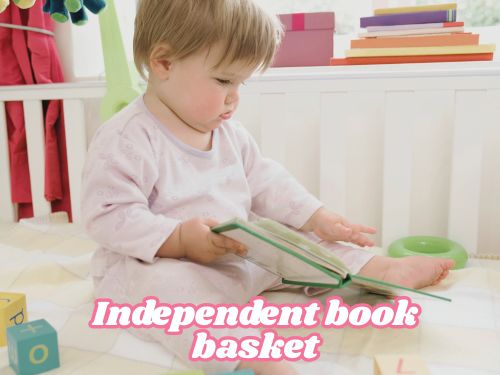
Age Range: 1 – 3 Years Old
Set Up Time: 2-3 minutes
Mommy Approved: Yes
Kids Fun:
Fill a small basket with board books and place it somewhere your toddler can reach independently. Many toddlers will happily flip through books on their own for stretches of time.
Why Parents Love It:
- Builds a love of books that lasts an entire lifetime. When toddlers have their own accessible basket of books they can reach and explore independently, they start choosing books on their own terms — flipping through pages, studying pictures, and telling themselves little stories. That sense of ownership and choice around books is one of the most powerful ways to nurture a lifelong reader from the very earliest age.
- The perfect quiet time activity that actually works. When you need your toddler to settle down before naptime, wind down after a busy morning, or simply occupy themselves for ten to fifteen peaceful minutes, a well-stocked book basket is consistently one of the most reliable tools in the entire parenting toolkit. Board books are sturdy, safe, and engaging enough to hold a toddler’s attention without any input from you at all.
- Refresh it regularly and it always feels brand new. Swap out the books in the basket every week or two to keep the selection feeling fresh and exciting. Rotate in library books, seasonal favorites, or books your toddler has not seen in a while and watch them rediscover old favorites with the same excitement they had the very first time. A small rotating book basket is one of the simplest and most effective learning setups you can create in your home.
47
Family Photo Album Time

Age Range: 1 – 3 Years Old
Set Up Time: Under 1 minute
Mommy Approved: Yes
Kids Fun:
Sit together and look through photos. Name people, talk about places, and share memories. It is calming, connective, and surprisingly absorbing.
Why Parents Love It:
- Builds a powerful sense of identity and belonging. When toddlers look through family photos and hear stories about the people in them, they are developing a deep understanding of who they are, where they come from, and who loves them. That strong sense of identity and family connection is one of the most important foundations for emotional security and self-confidence throughout childhood and beyond.
- One of the richest natural language activities you can do together. Pointing at photos and naming grandparents, cousins, and pets, talking about what was happening when the picture was taken, asking your toddler what they see, and describing emotions on people’s faces — every single page of a family album is packed with meaningful conversation that builds vocabulary, memory, and narrative skills in the most personal and engaging way possible.
- A beautifully calming activity for any time of day. Family photo time has a naturally gentle and soothing quality that makes it perfect for winding down before nap, settling an overwhelmed toddler, or filling a quiet afternoon moment without reaching for a screen. Snuggling up together with a photo album is the kind of slow, connected activity that fills your toddler’s emotional cup in a way that busy, stimulating play simply cannot replicate.
48
Listening to Music
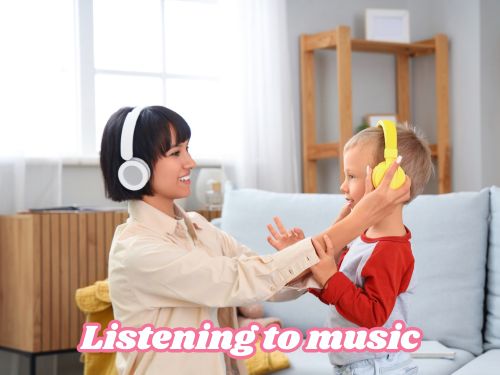
Age Range: 1 – 3 Years Old
Set Up Time: Under 1 minute
Mommy Approved: Yes
Kids Fun:
Put on a children’s music playlist and let your toddler listen quietly, hum along, or simply play with a soft toy in the background.
Why Parents Love It:
- One of the most powerful tools for emotional regulation. Music has a unique and almost instant effect on a toddler’s nervous system. The right playlist at the right moment can calm a wound-up child, ease the transition into quiet time or nap, lift a cranky mood, or simply create a peaceful and cozy atmosphere in the middle of a chaotic afternoon. It is one of those incredibly simple interventions that works far more reliably than most parents expect it to.
- Supports brain development in ways that go far beyond music itself. Exposure to a wide variety of music from an early age supports language development, auditory processing, pattern recognition, and even early mathematical thinking. Children who grow up listening to rich and varied music tend to develop stronger listening skills and more sophisticated language abilities than those who are not regularly exposed to it during their earliest years.
- Works perfectly alongside other quiet activities. Put on a gentle children’s playlist while your toddler looks through their book basket, works on a simple puzzle, or plays quietly with soft toys and the music creates a warm and calming backdrop that makes independent quiet time feel cozy and safe rather than boring or isolating. It is the easiest way to elevate any quiet time activity with zero extra effort from you at all.
49
Magnetic Drawing Board
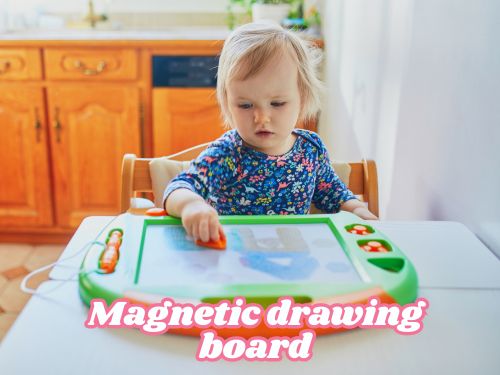
Age Range: 1 – 3 Years Old
Set Up Time: Under 1 minute
Mommy Approved: Yes
Kids Fun:
A magnetic drawing board is one of those simple toys that keeps toddlers occupied independently for far longer than you would expect.
Why Parents Love It:
- All the creativity of drawing with absolutely zero mess. No crayons rolling under the sofa, no paper scattered everywhere, no markers ending up on the walls. A magnetic drawing board gives your toddler a completely open-ended creative outlet that they can use independently, erase instantly with one satisfying slide, and start fresh again and again without wasting a single piece of paper or causing you a single moment of cleanup stress.
- Brilliant for building fine motor skills and pencil grip. Drawing lines, shapes, circles, and scribbles on the magnetic board gives your toddler the same hand strengthening and pencil control practice as regular drawing, but in a format that is more forgiving and endlessly reusable. The satisfying resistance of the magnetic stylus against the board actually provides excellent proprioceptive feedback for developing little hands and wrists.
- One of the best independent quiet time toys money can buy. Hand your toddler a magnetic drawing board during quiet time, in the car, at a restaurant, in a waiting room, or before bed and watch them settle into calm, focused, self-directed play with no prompting needed from you. It is portable, durable, battery-free, and endlessly reusable; making it genuinely one of the highest value toddler investments you will ever make.
50
Soft Toy Storytelling
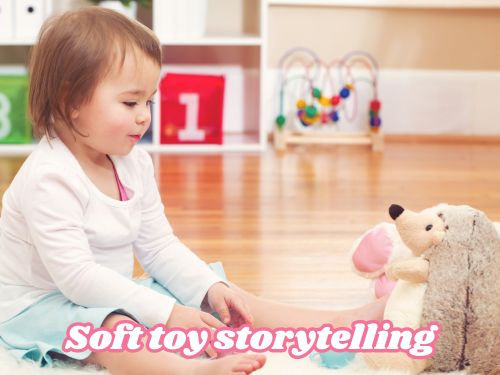
Age Range: 1 – 3 Years Old
Set Up Time: Under 1 minute
Mommy Approved: Yes
Kids Fun:
Encourage your toddler to tell a story to their stuffed animals. Even if it is just a few words and some gestures, this beautifully builds narrative skills and imagination.
Why Parents Love It:
- Builds narrative language skills in the most natural way possible. When your toddler picks up a soft toy and starts giving it a voice, making it walk, or acting out a little scene, they are developing the foundational storytelling skills that will support their reading, writing, speech and language development, and communication abilities for years to come. Every little plot they invent and every character they bring to life is quietly building the narrative thinking that strong literacy depends on.
- A beautiful window into your toddler’s inner world. Soft toy storytelling is one of those activities that gives you a precious peek into how your child is processing the world around them. The stories they tell through their toys often reflect their feelings, their experiences, and their understanding of how relationships and situations work. Listening quietly to what they create is one of the most insightful and heartwarming things you will ever do as a parent.
- The perfect winding-down activity at any time of day. Soft toy storytelling is calm, self-directed, and emotionally grounding in a way that very few other toddler activities can match. It works beautifully before nap time, after a busy and stimulating morning, or in those quiet evening moments before the bedtime routine begins. All you need to do is set your toddler up with a few of their favorite soft toys and let their imagination take it from there completely on its own.
How to Encourage Independent Play Without Screens
One of the most common questions I hear from other moms is how to get a toddler to play independently without resorting to handing over the phone. Here is what has genuinely worked in our home.
Create a Toddler-Friendly Play Space: Set up a low shelf or basket so your toddler can access their toys independently. When children can see and reach their own toys, they are far more likely to choose to play with them.
Rotate Toys Regularly: When every toy is always available, nothing feels special. Pack some away and swap them out every week or two. Returning toys feels like they’re brand new and sparks fresh interest.
Start With Short Independent Play Sessions: Do not expect 30 minutes of solo play right away. Start with five minutes, then gradually increase to ten, and build from there. Small wins add up.
Let Boredom Spark Creativity: This one is hard for parents used to filling every moment, but a little boredom can be genuinely productive. When your toddler says they are bored, resist the urge to fix it right away. Give them a minute. You might be surprised by what they come up with.
Tips for Reducing Screen Time Without Tantrums
Set Clear Expectations: Toddlers handle transitions much better when they are not surprised. Give a five-minute warning before screen time ends, and be consistent about when screens are and are not part of the day.
Offer Fun Alternatives: The key is to have something appealing ready when screens go off. A sensory bin already set up on the table or a new activity station waiting in the living room makes the transition much smoother.
Follow a Predictable Routine: Limiting the time children spend on screens and choosing high-quality programming when children do watch is a helpful approach for many families, and building that structure into a consistent daily rhythm makes it feel natural rather than like a deprivation.
Be Patient During the Transition: If your toddler is used to a lot of screen time and you are scaling it back, expect some pushback. That is completely normal. Stay consistent, offer engaging alternatives, and give it a couple of weeks. The adjustment period will pass.
Frequently Asked Questions
How Much Screen Time Should Toddlers Have?
For children between the ages of two and five, the general guideline is no more than one hour per day of high-quality content. For toddlers under two, screens are best avoided except for video chats with family. The focus at this age should be on real-world interaction and play whenever possible.
What Are the Best Screen-Free Activities for Rainy Days?
Indoor sensory bins, pillow forts, play-dough, dance parties, finger painting, and cardboard box houses are all brilliant for rainy days. Keeping a dedicated rainy day activity basket with a few special items that only come out on those days makes wet weather feel like an adventure rather than a trap.
How Can I Keep My Toddler Busy Without TV?
Rotate activities throughout the day and keep the bar low for yourself. You do not need to be your toddler’s entertainment full-time. Set up an activity, play alongside them for a few minutes to get them started, and then step back. A toddler who feels settled into an activity will often keep going longer than you expect.
What Activities Help Toddlers Learn While Playing?
Honestly, almost all play is learning at this age. Reading books builds language. Sorting pom-poms builds early math. Sensory bins build fine motor skills and scientific thinking. Pretend play builds social and emotional understanding. You do not need to look for educational activities specifically because play itself is the education.
The Best Screen-Free Activities Are Often the Simplest
Here is what I keep coming back to as a mom: my kids have never once looked back on their toddler years and wished they had more screen time. But they light up when we talk about the blanket forts, the nature walks, and the mornings covered in finger paint.
Toddlers don’t need expensive toys, elaborate setups, or constant entertainment. They need you, a little space to explore, and permission to make a mess and figure things out at their own pace. The activities on this list cost very little and can be set up in minutes. Some won’t land every time, and that’s fine. Try something else. Follow your toddler’s lead. Keep it playful and low-pressure.
You are already doing a wonderful job just by seeking ideas and showing up for your little one every day. And on the days when the tablet comes out anyway? That is okay, too. We are all just doing our best over here, and that is more than enough.