
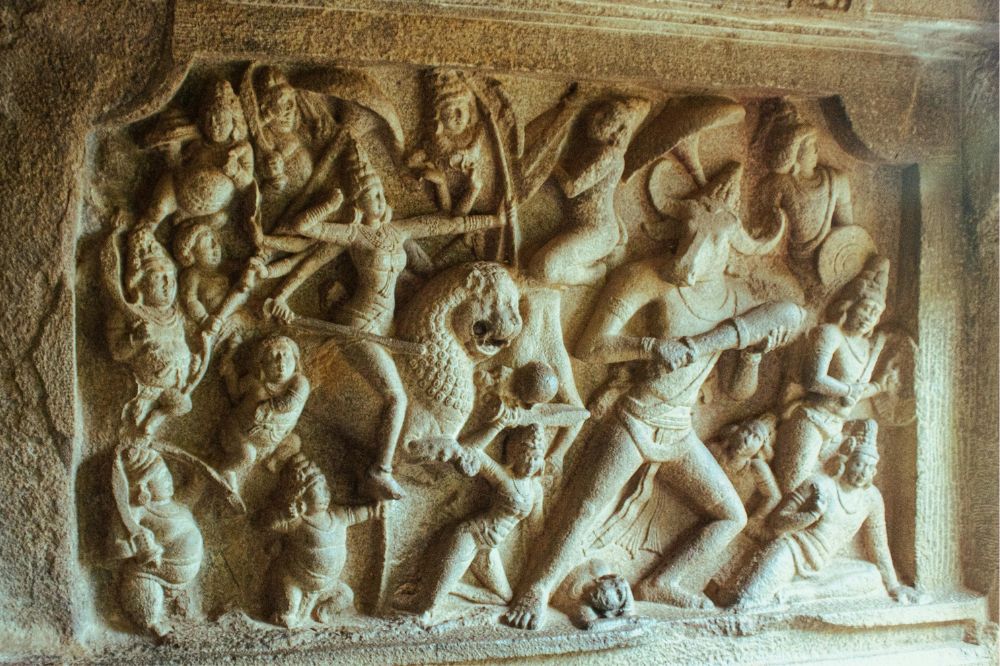
Stories travel like rivers across land and time. They carry memory and shape how people see the world. Ancient Indian epics stand as vast story worlds that echo through many cultures. Their patterns feel familiar even in distant lands. They offer a deep well of themes that still guide modern tales.
In many places readers search for free books to explore old traditions and shared myths. This search often leads toward ideas first shaped in early epic thought. These ideas move across borders with ease. They settle into new forms yet keep their core spirit alive. A quiet thread links old oral tales to modern screens and pages.
Narrative Structure And Cycles
Ancient Indian epics often use layered plots that move in cycles. Events return in new forms. Heroes face trials that echo past struggles. This circular flow shapes how later cultures build long stories. It allows space for memory and fate to guide each turn.
Many global narratives now follow this path without clear start or end. The sense of time feels wide and open. Characters grow through repeated tests rather than one single quest. This gives stories a rhythm that feels both calm and intense at once.
Archetypes And Moral Tension
These epics shape strong archetypes that appear across world fiction. The wise guide the flawed hero. The loyal friend stands firm in dark times. The inner conflict often matters more than outer action. This focus on moral tension adds depth to each role.
Stories gain power when characters face duty and desire at the same time. This tension feels real and human. It shows that right and wrong rarely sit apart in clear lines. Instead they twist like vines in a forest.
A closer look reveals how these patterns spread across cultures:
- The Hero With Inner Conflict
The hero in these epics often struggles within. Duty pulls one way while desire pulls another way. This creates a rich emotional field that shapes each decision. Many global stories now use this model. It allows characters to feel alive rather than fixed. The hero does not stand as perfect but as human. This shift makes the story more honest and more lasting in memory.
- The Cosmic Sense Of Justice
Justice in these tales links to a wider order of the world. Actions carry weight beyond one moment. This idea shapes many later works where fate and choice meet. It gives stories a deeper tone. Events feel part of a grand design rather than random chance. This sense of balance adds meaning to each act and each result.
- The Journey As Transformation
The journey in these epics acts as a path of change. Each step alters the hero in quiet ways. Growth happens through loss and insight. Many global narratives now follow this idea. Travel is not just movement in space. It becomes a mirror of inner change. This creates stories that feel both vast and intimate at once.
These elements continue to shape how stories unfold across many cultures. They act like roots that feed new growth.
Oral Tradition And Storytelling Flow
The oral roots of these epics shape their style. Stories move with rhythm and repetition. This makes them easy to recall and share. Many modern forms still use this flow. Film and series often echo this pattern in pacing and tone.
Repetition builds tension and memory. It allows key moments to stand out. This method keeps the audience engaged without complex structure. It feels natural like a song heard many times.
Cultural Exchange And Lasting Echo
Trade and travel carried these stories far from their origin. Ideas moved along with goods and people. Over time they blended with local traditions. This created new forms while keeping old patterns alive.
Today many narratives still draw from this shared pool. The influence may not always stand in plain sight. Yet it shapes tone and structure in subtle ways. Like an old melody it returns in new songs again and again.
