

If you have ever found yourself wondering why your toddler is not talking as much as the child down the street, you are not alone. Language development is one of those areas of parenting that can feel incredibly worrying, especially when every toddler seems to be on a completely different timeline. Some children are chatting in full sentences by 18 months. Others are quiet observers who suddenly burst into conversation closer to their third birthday. Both can be completely normal.
The truth is, there is a wide range of what typical speech development looks like, and there are so many simple, everyday things you can do at home to gently support your toddler’s language skills. You do not need fancy programs or expensive tools. You mostly just need time, patience, and a willingness to talk, read, and play together. This post will walk you through everything you need to know.
How Speech and Language Develop in Toddlers
Language development is one of the most complex things a young child does. Between the ages of one and three, toddlers go from saying their first recognizable word to forming short sentences and asking endless questions. It happens in stages, and it is built on a foundation of listening, observing, and imitating the people around them long before they ever say a word out loud.
There are actually two sides to language: receptive language, which is what your child understands, and expressive language, which is what they can say. Most toddlers understand far more than they can express, which is completely normal and actually a positive sign. A child who follows simple instructions and responds to their name demonstrates strong receptive language skills, even if their spoken language is still limited.
When Do Most Toddlers Start Talking?
Speech Milestones for 12 to 18 Months
Between 12 and 18 months, most toddlers are beginning to say their first real words, typically simple ones like mama, dada, no, more, and the names of familiar objects. By around 15 to 18 months, many children have a vocabulary of around 10 words and are starting to combine words with gestures to communicate. Pointing, waving, and reaching are all important communication tools at this stage, even before speech fully arrives.
Speech Milestones for 18 to 24 Months
This is often when language really starts to take off. By 24 months, most toddlers can say between 50 and 100 words and are beginning to put two words together, such as “more juice,” “daddy go,” or “big dog.” According to Mayo Clinic, by age two, most children can follow simple commands, speak around 50 to 100 words, and be understood at least half the time by adults who do not know them well.
Speech Milestones for 2 to 3 Years
Between ages two and three, vocabulary grows rapidly. Many children go from two-word phrases to three- and four-word sentences. They start asking questions like “where it is” and “what it is,” begin using pronouns like “I” and “me,” and their speech becomes much more understandable to people outside the family. By age three, most children can speak in simple sentences and carry on a short back-and-forth conversation.
Why Some Toddlers Talk Later Than Others
Personality and Temperament: Some children are naturally more introverted or observant. They tend to listen and process for a longer time before feeling comfortable speaking. This does not mean something is wrong. It often just means they are the type who want to get it right before they try.
Hearing Issues: Undetected hearing loss is one of the most common reasons for speech delays. If your toddler does not seem to respond consistently to sounds or voices, it is worth bringing it up with your pediatrician sooner rather than later.
Family History: Speech delays can run in families. If a parent or sibling was a late talker, there is a higher chance that your toddler may be as well, though it is still worth monitoring closely.
Bilingual Households: Children learning two languages at the same time may appear to have a smaller vocabulary in each individual language, but their combined total across both languages is usually right on track. Bilingualism does not cause speech delays; it simply spreads the vocabulary across two systems.
Individual Developmental Differences: Every child develops differently. Some children put all their energy into gross motor skills like walking and climbing before shifting focus to language. Others do the opposite. Development is rarely perfectly linear.
12 Simple Ways to Encourage Speech in a Toddler
1. Talk to Your Toddler Throughout the Day
The more words your child hears, the more material they have to work with. Research consistently shows that children whose parents talk to them frequently develop larger vocabularies and use more complex sentence structures. Narrate your day, describe what you see, and keep the conversation flowing even when you are not sure how much they are taking in.
2. Read Books Together Every Day
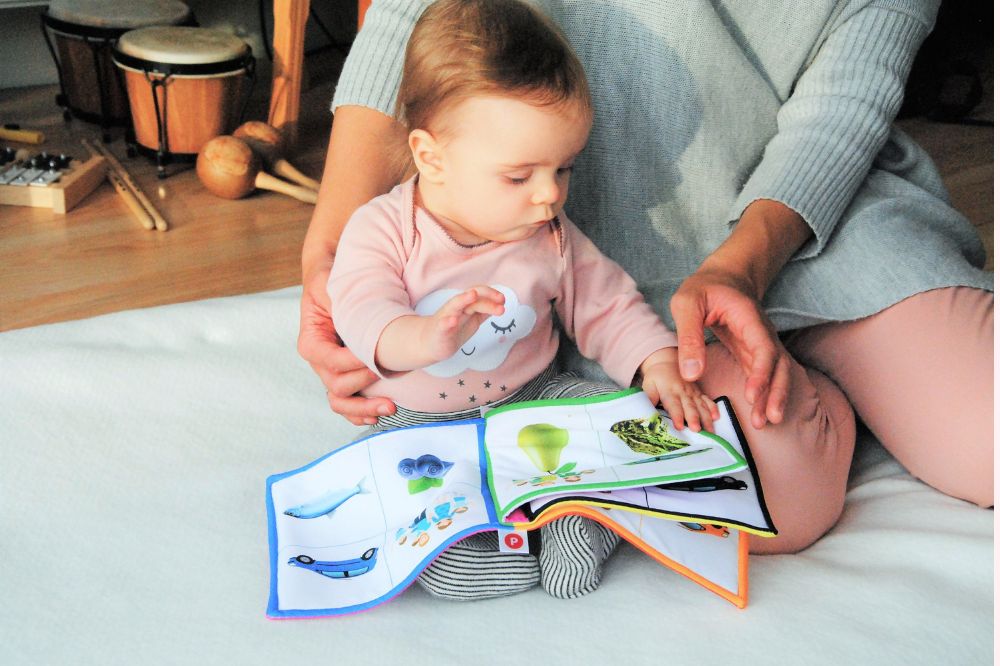
Reading aloud is one of the most powerful things you can do for your toddler’s language development. Even short board books expose your child to new vocabulary, sentence structure, and the rhythm of language in a way that everyday conversation does not always capture. It’s best to make reading a part of your toddler’s daily routine to support consistent language growth and create meaningful bonding moments.
3. Narrate Everyday Activities
Describe what you are doing as you do it. We are washing our hands now. The water is warm. Now we are drying our hands with the towel. This running commentary sounds silly to adult ears, but it is genuinely building your child’s language foundation.
4. Give Your Child Time to Respond
Many parents, especially anxious ones who are worried about speech, tend to fill in the gaps too quickly. Ask a question and then wait. Give your toddler a full 10 to 15 seconds to process and respond. That pause feels long, but is often exactly what they need.
5. Expand on What They Say
If your toddler says dog, you say yes, that is a big brown dog and he is running fast. You are not correcting them, you are modeling what a fuller version of their thought sounds like. This is one of the most effective techniques for building language naturally.
6. Sing Songs and Nursery Rhymes
Songs are a brilliant language tool because they are repetitive, predictable, and fun. Rhymes help children hear the patterns and sounds that make up words. Even if your singing voice leaves something to be desired, your toddler will not care.
7. Limit Background Noise
Constant background noise from the television, music, or podcasts makes it harder for toddlers to tune into speech and pick out individual words. When you are having intentional talking time with your child, try to reduce competing noise.
8. Encourage Pretend Play
Pretend play is incredibly rich for language development. When your toddler pretends to cook dinner or put a doll to sleep, they are naturally practicing conversation, vocabulary, and storytelling. Join in and narrate the play together.
9. Ask Simple Open-Ended Questions
Instead of did you like that, try what did you think of that or what happened next. Open-ended questions invite more than a yes-or-no answer and gently push your child to use more words.
10. Offer Choices Instead of Yes-or-No Questions
Do you want the red cup or the blue cup? Give your toddler two words to practice and a reason to use one of them. It also gives them a sense of control, which makes communication feel rewarding rather than pressured.
11. Reduce Passive Screen Time
Screen time, where your child sits passively watching without interaction, does not support language development the way real conversation does. If your toddler watches something, try to watch together and talk about what you are seeing.
12. Celebrate Communication Attempts
When your toddler tries to say something, even if it is not clear, respond enthusiastically. Show them that their attempts to communicate are heard and valued. This encourages them to keep trying.
Speech Activities for Toddlers That Feel Like Play
Picture Books: Point to pictures and name them together. Ask your toddler where the cat is and let them point or try to say the word.
Animal Sounds: Moo, woof, quack. Animal sounds are often among a toddler’s first words and build the confidence to try more.
Songs and Finger Plays: Classics like Twinkle Twinkle, Wheels on the Bus, and Itsy Bitsy Spider combine language, rhythm, and movement in a way toddlers absolutely love.
Sensory Play Conversations: Describe textures, temperatures, and actions during sensory play. This is cold. This is squishy. What does it feel like to you?
Pretend Kitchen and Doll Play: These setups naturally invite narration, conversation, and the kind of back-and-forth that builds real communication skills.
Outdoor Language Games: Point out birds, trucks, flowers, and puddles during walks. The ever-changing outdoor environment gives you endless new things to name and discuss.
Common Mistakes That Can Slow Speech Development
Talking Too Quickly: Fast speech is hard for toddlers to process. Slow down, use clear, simple sentences, and give your child time to absorb what you are saying.
Constantly Correcting Mistakes: When your toddler says “pasghetti” instead of “spaghetti,” resist the urge to correct them directly. Simply model the right word naturally in your reply. Constant correction can make a child feel self-conscious and reluctant to try.
Anticipating Every Need: When you hand your toddler their cup before they even reach for it, you remove the need for them to communicate. Creating small opportunities for your child to ask or gesture for something is a valuable language-building strategy.
Overusing Screens: Background television in particular has been linked to reduced parent-child conversation, which is one of the most important drivers of language development.
Comparing Your Child to Others: Comparison is rarely useful and often harmful. Your toddler is not on the same timeline as your friend’s child, your neighbor’s child, or the child you see on social media who is apparently reciting the alphabet at 14 months. Focus on your child’s individual progress.
Signs Your Toddler May Need Extra Speech Support
Limited Vocabulary for Their Age: If your toddler has fewer than 50 words by age two or is not combining words yet, it is worth mentioning to your pediatrician.
Difficulty Following Simple Directions: If your child seems to struggle to understand basic requests such as “come here” or “give me the ball,” this may indicate a receptive language concern.
Few Attempts to Communicate: A toddler who rarely points, gestures, babbles, or tries to get your attention through any form of communication may benefit from evaluation.
Lack of Gestures or Eye Contact: Pointing, waving, and making eye contact are foundational communication skills. Their absence can sometimes indicate a need for further assessment.
Frustration When Trying to Communicate: If your toddler is clearly trying to express something but becomes frequently frustrated because they cannot get their message across, speech support can make a big difference for both of you.
When to Talk to Your Pediatrician About Speech Concerns
The American Academy of Pediatrics recommends developmental screenings at 9, 18, and 24 or 30 months, which include speech and language assessments. If you have concerns at any point between those visits, do not wait for the next scheduled appointment. As HealthyChildren.org notes, even when there are delays, early intervention can make a significant difference. Trust your instincts. You know your child better than anyone, and raising a concern early is never the wrong decision.
Frequently Asked Questions About Toddler Speech
How Many Words Should a Toddler Say? By 12 months, most toddlers say at least one to three words. By 18 months, around 10 or more words. By 24 months, approximately 50 words or more, with two-word combinations starting to emerge.
Is It Normal for a 2-Year-Old Not to Talk Much? There is a wide range of normal at age two. Some children are much quieter than others. However, if your two-year-old has fewer than 50 words, is not combining words yet, or is difficult to understand even by people who know them well, a conversation with your pediatrician is a good idea.
Can Too Much Screen Time Affect Speech? Passive screen time can reduce the amount of real back-and-forth conversation a child experiences, which is the primary driver of language development. Limiting passive viewing and prioritizing interactive play and conversation is always the better choice for speech development.
Do Bilingual Children Talk Later? Bilingual children are not developmentally delayed in speech. They may split their vocabulary across two languages, which can make their word count in any single language appear smaller, but their overall communication development is on track.
Should I Worry if My Toddler Understands More Than They Say? This is actually very common and generally a positive sign. Strong receptive language means your child is absorbing and processing language well. Expressive language often catches up naturally over time.
Every Small Conversation Helps Build Language Skills
It is easy to feel pressure to do all the right things and worry that you are somehow falling short when your toddler is not hitting every milestone on schedule. But the most important thing you can give your child is not a specific app, program, or curriculum. It is you, present and talking, playing, and reading together every single day.
The ordinary moments matter more than you know. The conversation at the grocery store, the songs you sing during bath time, the way you narrate a walk to the park, all of it is quietly building the language foundation your toddler needs. Keep talking, keep reading, keep playing, and trust the process. Every small interaction adds up to something really significant.