
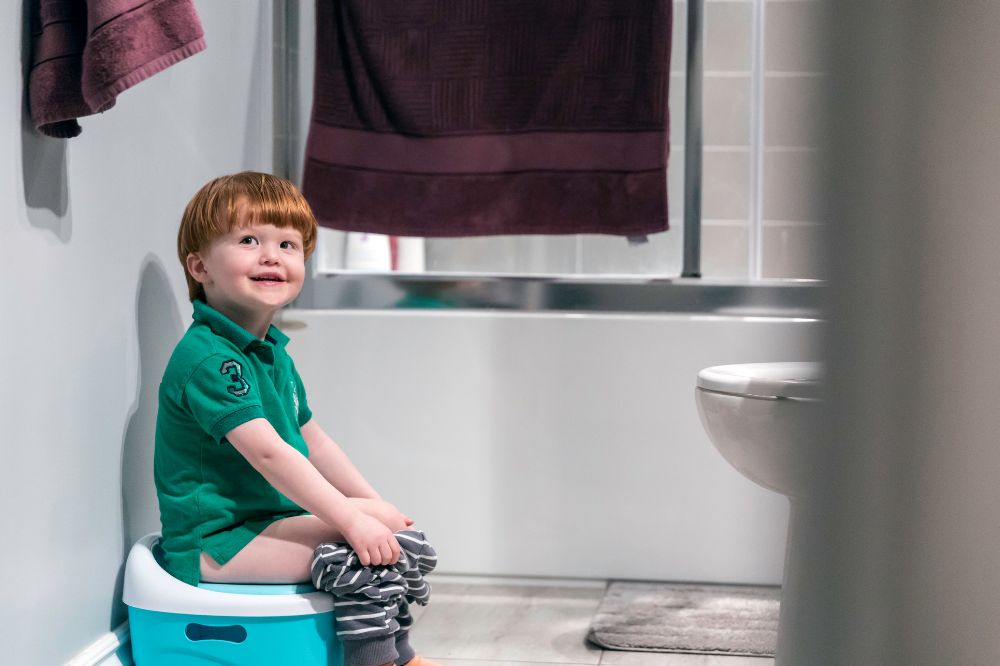
One of the most common questions parents ask is, “When should I start potty training my toddler?” The truth is, there is no single right answer, and that is perfectly okay. Readiness matters far more than age. Every child develops at their own pace, and what works for one toddler may not work for another. Rushing the process before your child is truly ready can lead to unnecessary stress, accidents, and setbacks for both of you. On the other hand, recognizing the right signs early can make the entire experience smoother, faster, and even enjoyable. This guide will walk you through the key signs that your toddler is ready to take that exciting next step toward independence.
What Is the Best Age to Start Potty Training?
Most children begin showing signs of potty-training readiness between 18 months and 3 years of age. However, the majority of toddlers are not fully ready until around 2 to 2.5 years old, and some children may not be ready until closer to their third birthday, and that is completely normal.
What matters far more than a specific birthday is developmental readiness. A 22-month-old toddler who is demonstrating several signs of readiness may have a much smoother potty-training experience than a 3-year-old who is being pushed before they are truly ready. Rather than circling a date on the calendar, pay close attention to your child’s physical, emotional, and cognitive cues. Those cues will tell you everything you need to know.
Why Potty Training Readiness Matters
Starting too early is one of the most common potty training mistakes parents make, often without realizing it. When a child is not developmentally ready, potty training can become a battle of wills. Toddlers who feel pressured or confused may begin to associate the potty with stress and anxiety, which can actually delay the process and lead to regression later on.
According to the American Academy of Pediatrics, as reported on HealthyChildren.org, potty training struggles most often occur when children choose not to use the toilet, which is why it is important to remember that children can succeed at using the toilet, but only in their own time. A child who is emotionally, physically, and cognitively prepared can sometimes be fully trained in just a few days, while a child who is pushed before they are ready may take many months.
The goal is to make potty training a positive milestone, one your toddler feels proud of, not afraid of.
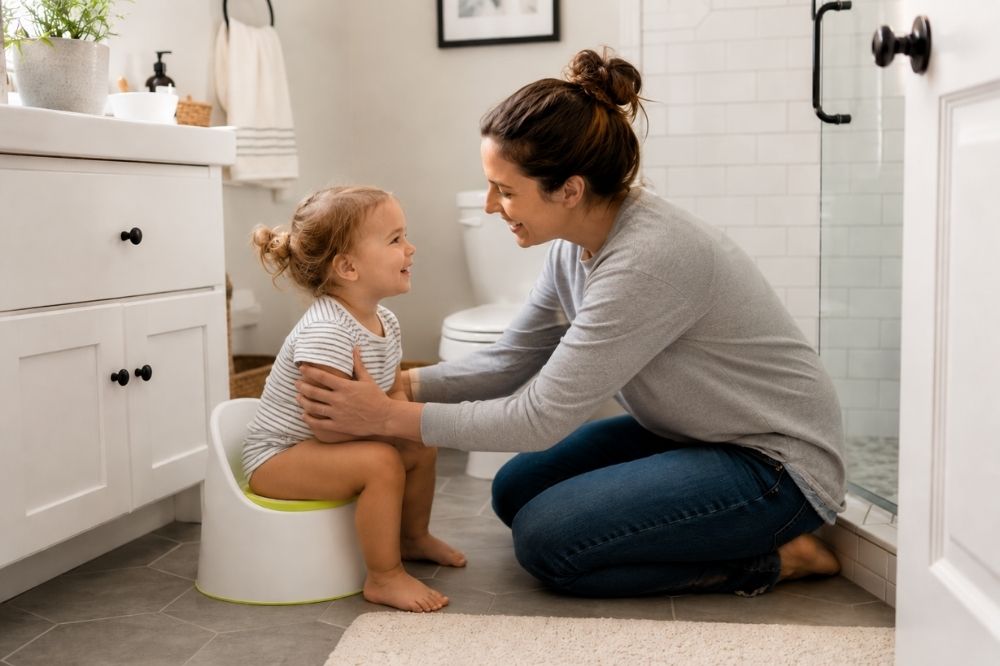
10 Signs Your Toddler Is Ready for Potty Training
our toddler may not show every sign at once, but noticing several of these behaviors usually means they are getting closer to potty training readiness. Watching for these cues can help you start at the right time and make the experience more positive for both you and your child.
1. They Stay Dry for Longer Periods
One of the clearest physical signs that your toddler is developing bladder control is the ability to stay dry for two or more hours at a time. If you notice that your child’s diaper is still dry after naps or during certain stretches of the day, their bladder muscles are maturing and becoming strong enough to hold urine voluntarily. This is a foundational physical skill for successful potty training.
2. They Tell You When Their Diaper Is Wet or Dirty
When a toddler begins to notice and verbalize that their diaper is wet or soiled, it is a significant milestone. This awareness of bodily functions shows that your child is making the important connection between the physical sensation and the result, a critical step toward understanding what the potty is for.
3. They Show Interest in the Bathroom
Does your toddler follow you to the bathroom? Do they watch older siblings or parents use the toilet and ask questions about what is happening? Curiosity about bathroom habits is a wonderful sign of readiness. Children learn through observation, and this natural interest means they are beginning to understand that using the toilet is simply what big kids and grown-ups do.
4. They Can Follow Simple Instructions
Potty training involves a sequence of steps: recognizing the urge, walking to the bathroom, pulling down pants, sitting on the potty, wiping, pulling pants back up, and washing hands. A toddler who can follow a simple two- or three-step instruction is showing the cognitive readiness needed to work through this routine consistently.
5. They Have Predictable Bathroom Habits
If your toddler tends to have a bowel movement around the same time each day, perhaps after breakfast or before bath time, that predictability is a real advantage when it comes to potty training. Consistent patterns allow you to gently guide your child to the potty at the right moments, making early successes more likely and building your child’s confidence quickly.
6. They Can Pull Pants Up and Down
This might seem like a small thing, but the ability to manage their own clothing is an important step toward independence in the bathroom. A toddler who can pull their pants and underwear up and down without much help will feel far more capable and confident during potty training. It also reduces the likelihood of accidents caused simply by struggling with clothing.
7. They Dislike Wearing a Dirty Diaper
Some toddlers begin expressing discomfort or even distress when their diaper is soiled. They may tug at their diaper, ask for a change immediately, or seem generally unhappy with the feeling of being wet. This discomfort is actually a motivating factor for potty training, as your child is signaling that they prefer to be clean and dry, which is exactly the mindset that helps potty training succeed.
8. They Understand Basic Bathroom Words
Communication is key during potty training. A toddler who understands and can use simple words like potty, pee, poop, wet, dry, and flush is much easier to guide through the process. When your child can tell you what they need or what is happening with their body using words you both understand, the experience becomes far less frustrating for everyone.
9. They Can Sit Still for a Few Minutes
Potty training requires a toddler to sit calmly on a potty for at least a few minutes. If your child is able to sit relatively still during storytime, meals, or quiet play, they likely have the patience needed to sit on the potty long enough to be successful. This is a small but often overlooked sign of readiness.
10. They Show a Desire for Independence
One of the most encouraging signs is when a toddler starts declaring, “I do it myself!” Whether it is putting on their shoes, pouring their cereal, or climbing into the car, a growing desire for independence is a strong indicator that potty training will appeal to them. Framing potty use as something “big kids” do can be a powerful motivator for a toddler eager to prove their growing capabilities.
Signs Your Toddler May Not Be Ready Yet
Just as important as knowing when to start is knowing when to wait. Here are some indicators that giving it a little more time might be the better choice.
Frequent Resistance to the Potty: If your toddler cries, screams, or shows strong distress at the mere mention of the potty, pushing forward is likely to backfire. Resistance is a signal worth respecting.
Little Interest in Staying Dry: If your child does not seem to notice or care when their diaper is soaked, they may not yet have developed the body awareness needed for training.
Major Life Changes Are Happening: Big transitions such as moving to a new home, welcoming a new sibling, starting daycare, or recovering from an illness can make potty training significantly harder. During periods of change, toddlers often need extra security and routine. It is usually better to wait until life has settled before introducing a new and demanding skill.
How to Prepare Your Toddler for Potty Training Success
Introduce the Potty Before Training Begins
Place a child-sized potty in the bathroom several weeks before you plan to start training. Allow your toddler to explore it, sit on it fully clothed, and get comfortable with its presence. Familiarity reduces fear.
Read Potty Training Books Together
There are many wonderful children’s books about potty training that normalize the experience and make it feel fun and relatable. Reading these together creates a low-pressure opportunity to talk about what potty training involves.
Create a Positive and Pressure-Free Environment
A consistent daily routine also makes potty training easier by giving your toddler regular opportunities to use the potty after meals, before naps, and before bedtime. Predictable routines help children know what to expect and make potty time feel like a normal part of the day.
Mommy tip: Celebrate effort, not just results. Praise your child for trying, even when nothing happens. Keeping the atmosphere light and encouraging makes your toddler far more willing to keep trying.
Let Your Child Practice Bathroom Routines
Encourage your toddler to accompany you to the bathroom and watch the routine, including flushing and washing hands. Normalizing the process makes it feel less intimidating when it is their turn.
Common Potty Training Mistakes Parents Make
Starting Too Early: Jumping in before your child is ready often prolongs the process and creates unnecessary stress.
Using Too Much Pressure: Scolding, shaming, or showing frustration over accidents can create anxiety and set the process back significantly. As the Mayo Clinic advises, staying calm when accidents happen and avoiding punishment are among the most important things a parent can do to keep the process moving forward positively.
Expecting Overnight Success: Potty training is a process, not an event. Most children take several weeks and sometimes longer to become fully consistent.
Comparing Your Child to Others: Every child is different. Your neighbor’s child being trained at 20 months has no bearing on what is right for your toddler. Comparison only creates unnecessary worry.
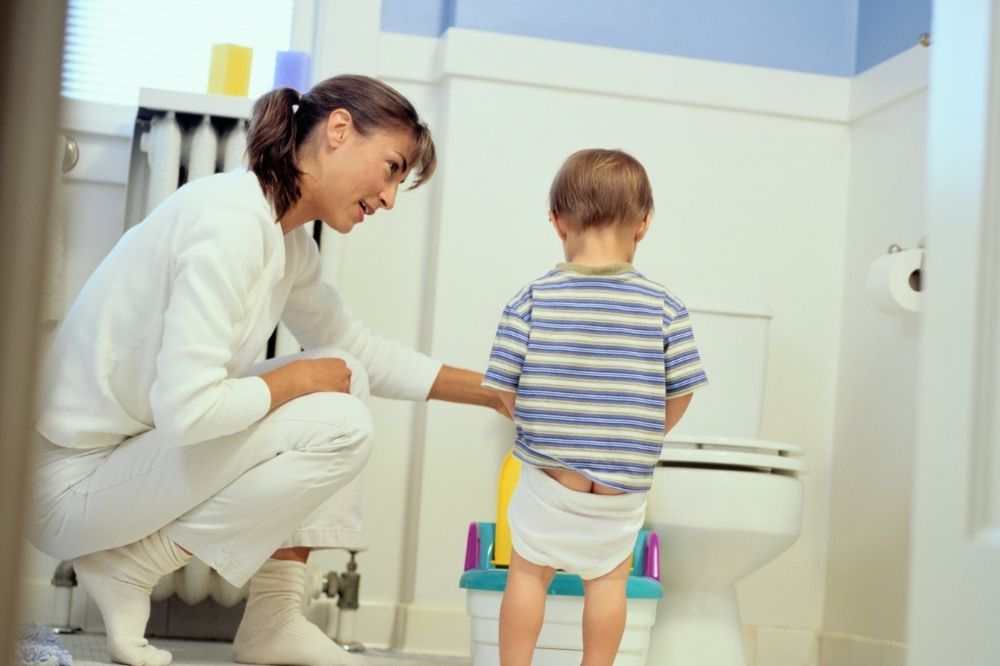
Frequently Asked Questions About Potty Training
Can a 2-Year-Old Be Ready for Potty Training? Absolutely. Some 2-year-olds show all the signs of readiness and take to potty training quickly. The key is to look for the signs rather than go by age alone.
Is It Better to Use a Potty Chair or Toilet Seat? Both work well. Some toddlers prefer a standalone potty chair because it feels less intimidating and is better suited to their size. Others do fine with a child-sized insert placed on the regular toilet. Let your child’s comfort guide the choice.
How Long Does Potty Training Usually Take? When a child is truly ready, many parents see significant progress within three to seven days, though complete independence, including staying dry overnight, can take several more months.
What Should I Do If My Child Regresses? Regression is extremely common, especially during times of stress or change. Stay calm, return to the basics without punishment, and offer lots of reassurance. Regression is almost always temporary.
Every Child Reaches Potty Training Readiness in Their Own Time
Potty training is one of those parenting milestones that can feel like a race, but it genuinely is not. The toddler who trains at 20 months and the one who trains at 36 months will both be using the toilet just fine by the time they start school. What matters most is that the experience is positive and builds your child’s confidence rather than chips away at it.
Be patient with your toddler and with yourself. Celebrate the small wins: the first successful sit, the first accident-free morning, the first time they ran to the potty all on their own. Every step forward is progress worth acknowledging.
When you follow your child’s lead, respond to their cues with encouragement, and approach the whole process with warmth and a sense of humor, you give them the very best chance for success. And one day soon, sooner than it might feel right now, diapers will be a thing of the past.