
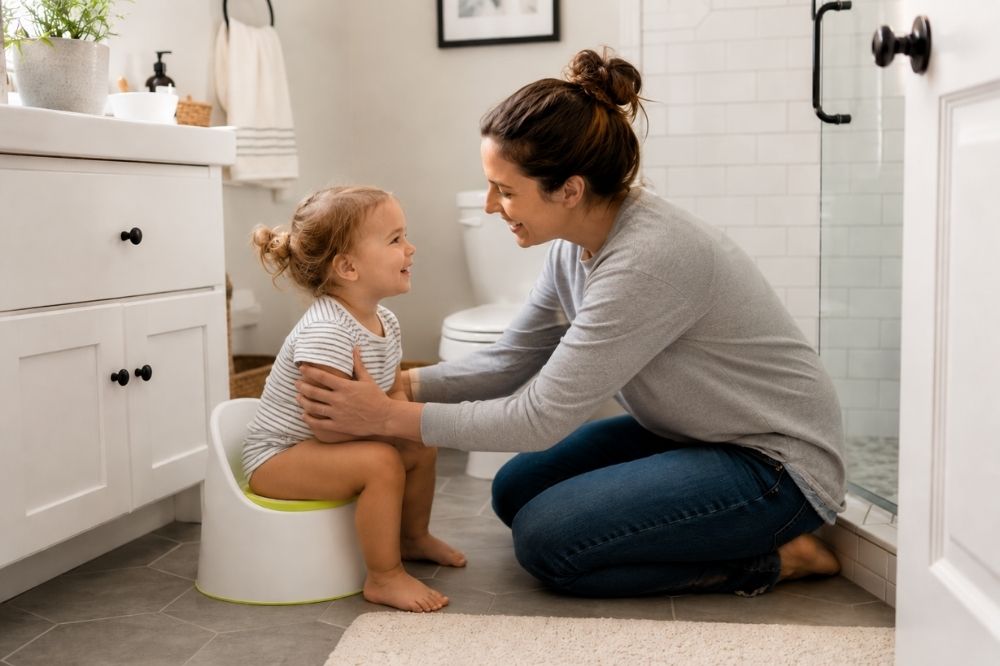
Choosing your toddler’s first potty may seem simple, but the right one can make potty training much smoother for both of you. A potty that feels comfortable, secure, and easy to use helps build your child’s confidence and fosters positive bathroom habits from the start.
With so many potty chairs, toilet training seats, and travel options, it’s easy to feel overwhelmed. This guide will help you understand which features matter most, when your toddler is ready, and how to choose a potty that fits your child’s personality and your family’s lifestyle.
Is Your Toddler Ready for a Potty? How to Prepare for Potty Training
Before buying a potty, determine whether your toddler is developmentally ready. While many children show signs of readiness between 18 months and 3 years, each child develops at their own pace. Starting before your toddler is ready can frustrate everyone, while waiting until they show interest often leads to a smoother experience.
Signs Your Toddler Is Ready for Potty Training
Rather than focusing solely on age, look for developmental milestones such as:
- Staying dry for two hours or longer
- Letting you know when their diaper is wet or dirty
- Hiding before a bowel movement
- Following simple instructions
- Independently pulling pants up and down
- Showing curiosity about the bathroom
- Asking to wear underwear
If you’re wondering whether it’s the right time to begin, check out these signs your toddler is ready for potty training for a more detailed breakdown.
The Importance of Timing in Potty Training Success
One of the biggest factors in successful potty training isn’t the type of potty you buy. It’s choosing the right time to start. Starting too early can lead to frustration and setbacks, while waiting until your toddler shows signs of readiness often makes the process much smoother. Every child develops at their own pace, so it’s important to focus on their individual readiness rather than comparing them with other children.
Your Toddler Is More Likely to Cooperate
When children are physically and emotionally ready, they’re often excited to try the potty rather than resist it. They can better understand simple instructions, recognize the urge to go, and communicate their needs, which makes accidents less frequent and progress more consistent.
Potty Training Is Less Stressful for Everyone
Starting potty training during a calm period in your family’s life can make a significant difference. If your toddler is adjusting to a new sibling, moving to a new home, starting daycare, or experiencing another major life change, waiting until life feels more settled can help reduce anxiety and make learning this new skill easier.
Positive Early Experiences Build Long-term Confidence
Successful potty training begins with positive experiences. When toddlers feel capable and are praised for their efforts, they gain confidence that supports ongoing progress. Conversely, starting too soon and facing repeated struggles can create fear or resistance that takes longer to overcome. Patience, encouragement, and good timing lay the foundation for long-term success.
How to Prepare Your Toddler Before Buying a Potty
Preparation often makes potty training easier than simply buying a potty and expecting your child to use it.
You can help by:
- Reading potty training books together
- Talking positively about using the bathroom
- Letting your toddler watch family members use the toilet when appropriate
- Taking them shopping so they can help choose their potty
- Introducing the potty as a normal part of the bathroom rather than something that appears overnight
Why Preparation Makes Potty Training Easier
When toddlers have time to become familiar with the potty before they’re expected to use it, they often feel less anxious and more confident. Many parents find that letting their child sit on the potty while fully clothed for several days helps make the transition feel natural rather than intimidating.
What Are the Types of Potties?
Today’s parents have several potty options to choose from, each with unique benefits based on your toddler’s age, personality, and your family’s lifestyle. Understanding the pros and cons of each type can help you make the best decision before you buy.
Potty Chairs
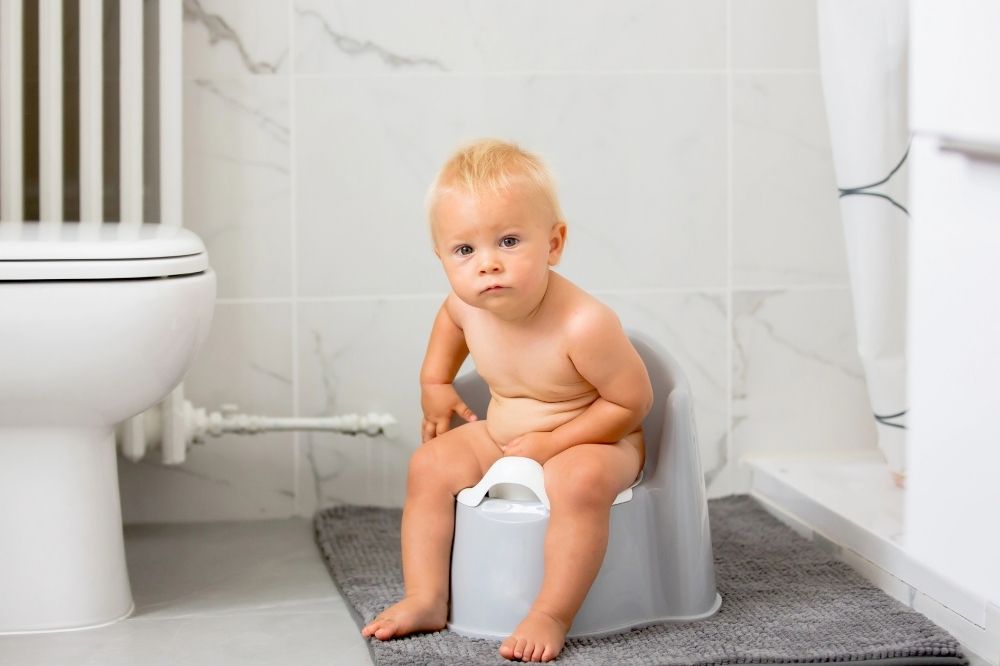
A potty chair is a standalone training potty that sits directly on the floor. Because it’s designed specifically for toddlers, it’s often the easiest option for children just starting potty training.
Pros
- Low to the ground, making it easy for toddlers to climb on independently
- Less intimidating than a full-size toilet
- Comfortable seating with feet flat on the floor for better stability
- Portable and easy to move around the house
- Often builds confidence during the early stages of potty training
Cons
- Requires emptying and cleaning after each use
- Takes up floor space in your home
- Most children will eventually need to transition to a regular toilet
Potty Seats
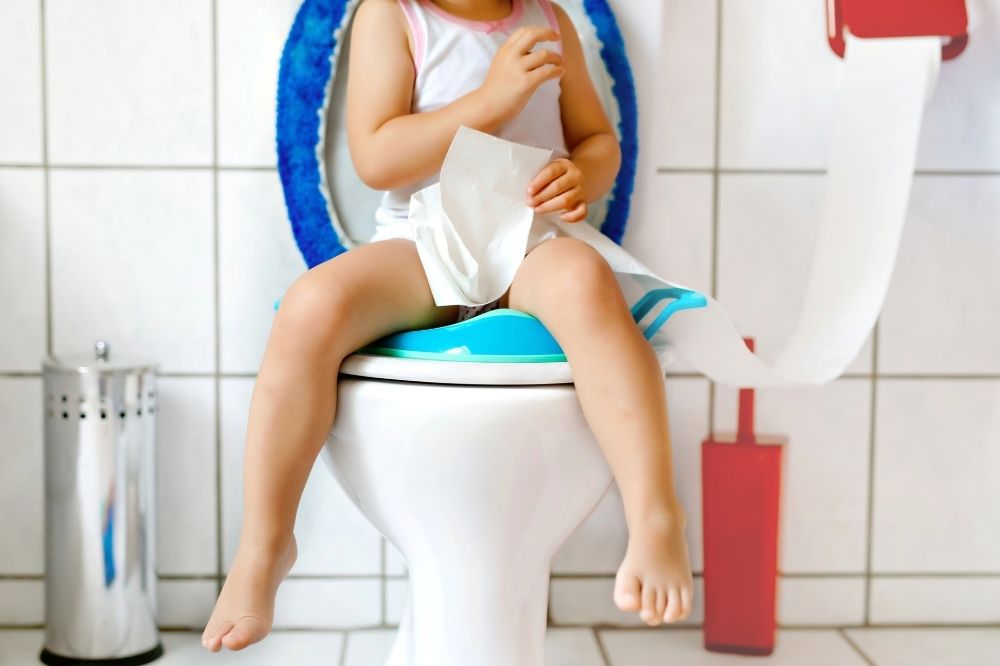
A potty seat is a smaller seat that fits securely on your existing toilet, allowing your toddler to use the regular bathroom from the start.
Pros
- No separate bowl to empty or clean
- Helps toddlers transition directly to the family toilet
- Compact and easy to store
- Ideal for small bathrooms
Cons
- Most toddlers need a step stool to climb onto the toilet safely
- Some children feel nervous about sitting on a large toilet
- Less portable than a standalone potty chair
Travel Potties
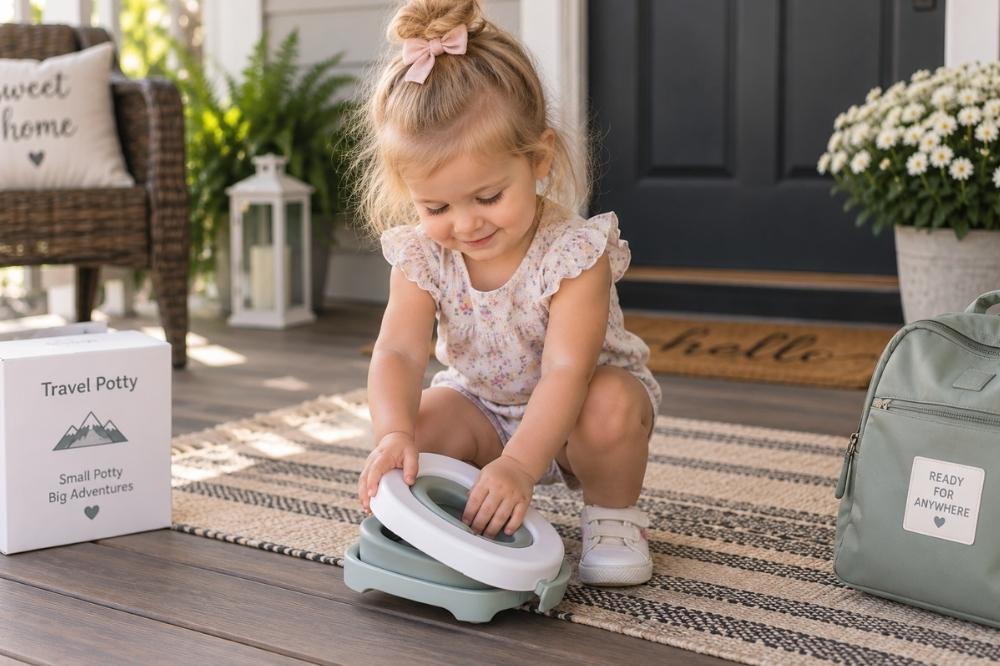
Travel potties are lightweight, portable options for vacations, road trips, parks, and other outings. Some fold flat for easy storage, while others use disposable liners for quick cleanup.
Pros
- Makes potty training easier when away from home
- Helps maintain consistency while traveling
- Compact and lightweight
- Convenient for long car rides and public outings
Cons
- Not typically intended as your child’s primary potty
- Disposable liners may incur ongoing costs
- Smaller size may be less comfortable for extended use
2-in-1 or Convertible Potties
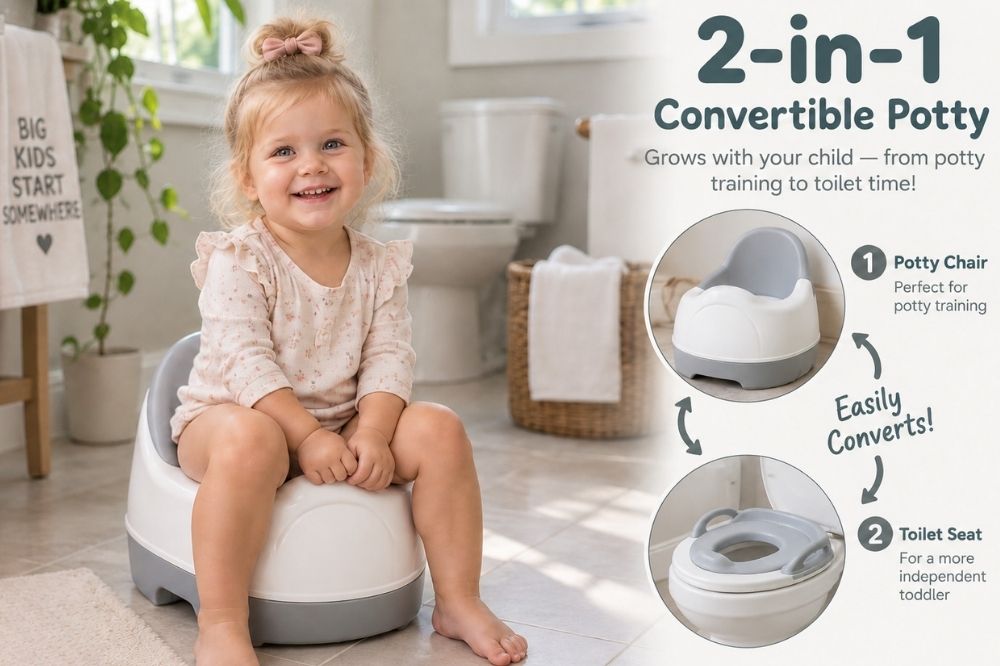
Convertible potties are designed to grow with your child. Many models begin as a potty chair and later transform into a potty seat that fits on a standard toilet. Some also include a built-in step stool for added convenience.
Pros
- Can be used across multiple stages of potty training
- Offers excellent long-term value
- Helps make the transition to the regular toilet smoother
- Reduces the need to buy multiple products
Cons
- Typically more expensive than basic potty chairs
- May include more parts that require cleaning
- Larger size can take up additional storage space
Which Type of Potty Is Best?
There isn’t a single potty that’s perfect for every toddler. Some children feel most comfortable starting with a potty chair, while others prefer a potty seat like Mom or Dad’s. Families who travel often may appreciate a portable travel potty, and those seeking a long-term solution may find a convertible potty offers the best value.
Ultimately, the best potty is the one your toddler feels comfortable using regularly. Choosing a potty that matches your child’s personality, developmental stage, and daily routine can make potty training a more positive experience for everyone.
What Features Should You Look for in a Toddler Potty?
Not all potties are created equal. Some features can make potty training much easier.
Comfort – A potty should have a comfortable seat with rounded edges. If it feels uncomfortable, your child is less likely to use it.
Stability – Choose a potty with a wide, non-slip base that won’t slide across the floor when your toddler climbs on or off.
Easy Cleaning – Removable bowls, smooth surfaces, and minimal crevices make cleanup faster and more hygienic.
Splash Guard – Especially for boys, a splash guard helps reduce messes and makes cleanup easier.
Size – Your toddler should be able to sit with both feet flat on the floor. Feeling supported helps them relax while on the potty.
How to Choose the Best Potty Based on Your Toddler’s Personality
Every toddler approaches potty training uniquely.
For Cautious Toddlers – A small potty chair often feels less intimidating than a big toilet.
For Independent Toddlers – Look for a potty your child can access, empty with supervision, and help clean independently.
For Sensory-Sensitive Children – Choose simple designs without loud sounds, flashing lights, or other distractions.
For Strong-Willed Toddlers – Allow your child to choose the potty themselves. Giving them ownership often increases cooperation.
For Easily Distracted Toddlers – Keep the potty simple. Too many buttons, songs, or toys can distract from developing body awareness.
What Size Potty Is Best for Toddlers?
The best potty is the one that fits your child’s body well.
Your toddler’s knees should bend naturally while their feet remain flat on the floor or on a sturdy stool. This position not only feels more comfortable but also helps children relax the muscles needed for bowel movements.
Most potty chairs are designed for children ages 18 months to 4 years, but it is always a good idea to check the weight recommendations.
Should You Buy a Potty Chair or a Toilet Training Seat First?
There isn’t a single right answer for every family.
A potty chair may be better if:
- Your child is nervous about the toilet
- You’re just beginning potty training
- Your toddler likes independence
A toilet seat may work well if:
- Your child wants to copy older siblings
- You have limited bathroom space
- You prefer to skip the transition later
Many families use both, keeping a potty chair downstairs and a toilet seat upstairs.
Are Potty Training Potties With Sounds and Lights Worth It?
Interactive potties can make potty training exciting for some children, but they aren’t essential.
While songs and lights may encourage reluctant toddlers to sit on the potty, they can also be distracting. Many experts recommend prioritizing consistency, praise, and positive reinforcement over electronic rewards.
How Many Potties Does Your Family Need?
Many families benefit from having more than one potty available.
You might consider:
- One potty on each floor of your home
- A portable potty for road trips
- A backup potty for grandparents’ homes or daycare
Having a potty nearby reduces accidents during the early stages of training.
Common Potty Buying Mistakes Parents Make
Avoid these common mistakes when choosing your toddler’s first potty.
Buying Based Only on Appearance – A cute potty won’t help if it’s uncomfortable or hard to use.
Choosing a Potty That’s Difficult to Clean – Complicated designs quickly become frustrating in daily use.
Ignoring Your Child’s Preferences – Whenever possible, let your toddler help choose among a few options.
Starting Before Your Child Is Ready – Waiting until your child shows developmental readiness often results in faster, less stressful potty training.
Frequently Asked Questions About Toddler Potties
What is the best potty for a 2-year-old?
Most 2-year-olds do well with a simple potty chair that lets their feet stay flat on the floor.
Is a potty chair or a toilet seat better?
Both work well. Potty chairs are often easier for beginners, while toilet seats simplify the long-term transition.
How much should I spend on a toddler potty?
Many excellent potty chairs cost between $20 and $40. The most expensive option isn’t always the best choice.
Can boys and girls use the same potty?
Yes. Most toddler potties work equally well for both boys and girls.
How often should I clean a potty chair?
Clean the removable bowl after each use and disinfect the entire potty regularly, following the manufacturer’s instructions.
Do I need a travel potty?
A travel potty isn’t essential, but it can make outings much easier during the first few months of potty training.
Final Tips for Choosing the Right Potty
The perfect potty isn’t necessarily the fanciest or most expensive. Instead, look for one that’s comfortable, stable, easy to clean, and appropriately sized for your toddler.
Most importantly, choose a potty that helps your child feel confident rather than pressured. Potty training is a developmental milestone that occurs at different ages for each child, so patience and encouragement go much further than rushing the process.
For additional evidence-based potty training guidance, the American Academy of Pediatrics’ HealthyChildren potty training resources offer practical advice for parents at every stage of the journey.